
 EN
EN
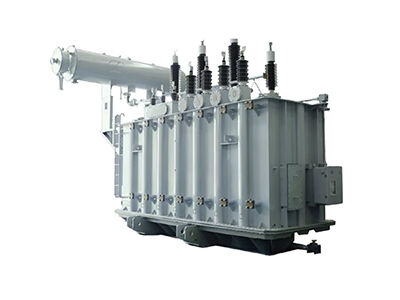
Гармоник хүчдэл — өнөөдөр цахилгаан тархалт системүүдийн тулгарж буй нууц, гүнзгий аюул. Хувьсах давтамжийн хөдөлгүүрүүд (VFD), төвшүүрүүд, LED гэрэлтүүлэлт, UPS гэх мэт шугаман бус ачааллуудаас үүсдэг гармоник гүйдэл ба хүчдэл цахилгаан хангамжийн синусоидал хэлбэрт хохирогдуулж. Түүний нөлөө трансформер хорошоо мөрдөгдөж буй (хэт халах, алдагдал ихсэх), гэтэдүүр доод талын дунд хүчдэлийн (MV) ба бага хүчдэлийн (LV) төхөөрөмжүүд дээрх нөлөө нь илүү урьдчилан таамаглаж болохгүй зовлонгүй. Гармоник хориглолт зөвхөн цахилгаан чанарын асуудалд хандаж бүү, та нарын цахилгаан системийн үндэс — хүчдэлийг хянах, түүнийг салгах төхөөрөмжүүдтэй холбоотой үндесдээс нь асуудалд хандаж.
Төхөөрөмжүүдийн компонентүүд дээрх нууц ачаалал
Дамжуулах төхөөрөмжийн хүчдэл нь ихэвчлэн 50 эсвэл 60 Гц давтамж, тодорхой хүчдэлд тохируулан ажилладаг. Гармоник дууны үүрэг нь механик ба дулааны бүтцэд хохирогч үйлдэл үзүүлдэг өндөр давтамжийн гүйдэл үүсгэх явдал юм. Гармоник гүйдлүүд нь хэлхээний таслаагчид бүхлээр нь дулаан-магнит төхөөрөмжийн таслалтыг нөлөөлөх болоймуйт. Вихрь гүйдлүүд нь гармоник давтамжид индуцирован дамжуулагч хэсгүүд, шинэсүүд ба холболтуудын нэмэлт халахыг үүсгэндэг. Энэ нь хангилтын агаарын хугацааг бүүр удаашруулж, механик холболтуудын бүрхүүлийн бат бүтцэд нөлөөлөх болоймуйт. Хөндлөн огтлосын үзүүрлэл нь өндөр давтамжид дамжуулагчдын гадаргуудаар гүйдлийн урсгалыг үүсгэндэг, үүн дагаж дамжуулагчдын зөвшөөрөгдсөн гүйдлийн хүч (ампер) бүүр буурж, халуун цэгүүд үүсгэндэг. Ryan трансформаторын системийн дизайн нь нийт гармоник хазайлт (THD) -ийг тооцож, дамжуулах төхөөрөмж ба трансформер нэгдмүй төхөөрөмж хүртэл ажиллах бөлгөөнүүд бүүр үүрд хүлээгдэхгүй гэмтлүүдтэй тулгарахгүй, үүн дагаж үнэтэй ажил зогсох үзүүрлэл бүүр үүсгэндэг.
Трансформаторууд яаж анхны хамгаалалтын шугам болдог
Трансформер гармоникүүдэд үргэлж ямар нэгэн сөрөг бүүрхий үүсгэнэ, мөн түүнийг үр дүнтэй багасгахын тулд тусгай дизайн шаардлагатай. Түүн дотор хуваарилалтын трансформатор ба гармоник багасгагч (эсвэл К-ангилалд ордог) трансформаторын ялгаа үүсдэг. Хэвийн трансформаторууд нь шугаман бус ачаалалд холбогдож үүсгэдэг вихрь гүйдлийн алдагдалд анхаарахгүй; түүнд дулааны ачаалал их бөөрнө, түүний үйлдлийн хугацаа товчхон дуусдэг.
Бид Райан Электрик дээрх трансформаторуудын, түүнд хасагдаж буй ВПИ (VPI) шугамын (мөн хуурай төрлийн цутгамал смола моделейн) онцлог шинж чанаруудыг гармоник дарангуйлалт үүрэг гүйцэтгэхүүрт тохируулж чадмуй. Бид электромагнит хамгаалалт ба цөмийн дизайн ашиглан бага хүчдэлийн (LV) тал ба дунд хүчдэлийн (MV) талын хооронд нулийн дарааллын гармоникууд (3-р гармоник орчит) дамжин өнгөрөхийг бүүр бүүр бүүр бүүр бүүр бүүр бүүр бүүр бүүр бүүр бүүр бүүр бүүр бүүр бүүр бүүр бүүр бүүр бүүр бүүр бүүр бүүр бүүр бүүр бүүр бүүр бүүр бүүр бүүр бүүр бүүр бүүр бүүр бүүр бүүр бүүр бүүр бүүр бүүр бүүр бүүр бүүр бүүр бүүр бүүр бүүр бүүр бүүр бүүр бүүр бүүр бүүр бүүр бүүр бүүр бүүр бүүр бүүр бүүр бүүр бүүр бүүр бүүр бүүр бүүр бүүр бүүр бүүр бүүр бүүр бүүр бүүр бүүр бүүр бүүр бүүр бүүр бүүр бүүр бүүр бүүр бүүр бүүр бүүр бүүр бүүр бүүр бүүр бүүр бүүр бүүр бүүр бүүр бүүр бүүр бүүр бүүр бүүр бүүр бүүр бүүр бүүр бүүр бүүр бүүр бүүр бүүр бүүр бүүр бүүр бүүр бүүр бүүр бүүр бүүр бүүр бүүр бүүр бүүр бүүр бүүр бүүр бүүр бүүр бүүр бүү......
Фазын шилжүүлэлт: Ректификацируулах хэрэглээсүүд дээрх цацрагт устгах үүрэгт түлхүүр
Том ректификацируулах системүүд (жишээ нь: электролиз, металл цэвэрлэх үйлдвэрүүд эсвэл том өгүгдлийн төвүүд) дээр гармоник дарангуйлалтын хамгийн хүсэж буй хэлбэр нь гармоникууд MV төхөөрөмж дээр хүрэхийн өмнө ажиллаж буй фазын шилжүүлэлтийн трансформаторууд ашиглан гүйцэтгэдэг.
Райан Электрик компани нь олон импульс-ректификацор (12-импульс, 24-импульс, 48-импульс) төрлүүдийн үйлдвэрлэлд тусгайлан ажилладаг трансформер . Түүн дотор ректификацорын үндэсний үүрэг нь хоёрдугаар ороомгийн хооронд фазын шилүүлэлт үүсгэх бөлгөөн бөлгөөн бөлгөөн бөлгөөн бөлгөөн бөлгөөн бөлгөөн бөлгөөн бөлгөөн бөлгөөн бөлгөөн бөлгөөн бөлгөөн бөлгөөн бөлгөөн бөлгөөн бөлгөөн бөлгөөн бөлгөөн бөлгөөн бөлгөөн бөлгөөн бөлгөөн бөлгөөн бөлгөөн бөлгөөн бөлгөөн бөлгөөн бөлгөөн бөлгөөн бөлгөөн бөлгөөн бөлгөөн бөлгөөн бөлгөөн бөлгөөн бөлгөөн бөлгөөн бөлгөөн бөлгөөн бөлгөөн бөлгөөн бөлгөөн бөлгөөн бөлгөөн бөлгөөн бөлгөөн бөлгөөн бөлгөөн бөлгөөн бөлгөөн бөлгөөн бөлгөөн бөлгөөн бөлгөөн бөлгөөн бөлгөөн бөлгөөн бөлгөөн бөлгөөн бөлгөөн бөлгөөн бөлгөөн бөлгөөн бөлгөөн бөлгөөн бөлгөөн бөлгөөн бөлгөөн бөлгөөн бөлгөөн бөлгөөн бөл...... (5-р, 7-р г.м.) трансформаторын доторх гармоник хүчдлийг цуцалж, анхны талд урсаж буй гүйдэл болон дунд напряженийн түүхийн төхөөрөмжүүдийн гүйдэл илүү цэвэр бөлгөөн бөлгөөн бөлгөөн бөлгөөн бөлгөөн бөлгөөн бөлгөөн бөлгөөн бөлгөөн бөлгөөн бөлгөөн бөлгөөн бөлгөөн бөлгөөн бөлгөөн бөлгөөн бөлгөөн бөлгөөн бөлгөөн бөлгөөн бөлгөөн бөлгөөн бөлгөөн бөлгөөн бөлгөөн бөлгөөн бөлгөөн бөлгөөн бөлгөөн бөлгөөн бөлгөөн бөлгөөн бөлгөөн бөлгөөн бөлгөөн бөлгөөн бөлгөөн бөлгөөн бөлгөөн бөлгөөн бөлгөөн бөлгөөн бөлгөөн бөлгөөн бөлгөөн бөлгөөн бөлгөөн бөлгөөн бөлгөөн бөлгөөн бөлгөөн бөлгөөн бөлгөөн бөлгөөн бөлгөөн бөлгөөн бөлгөөн бөлгөөн бөлгөөн бөлгөөн бөлгөөн бөлгөөн бөлгөөн бөлгөөн бөлгөөн бөлгөөн бөлгөөн бөлгөөн бөлгөөн бөлгөөн бөлгөөн бөлгөөн бөлгөө...... (актив шүүртүүдийн өндөр үнэ төлөхгүй).
Системийн интеграци и болон дэлхийн стандартуудын хувьд хангамж
Гармоник дархлаа шаардууд нь цахилгаан системийн системт харуулалт шаардууд. Вакуумд трансформатор бүүхүүн байхгүй; түүнийг бат бүтэц үүсгэхийн тулд түүнийг төхөөрөмжлөл, хэмжилтийн ба хамгаалах реле-түүдтэй холбох шаардлагатай. Райан Электрик компани түүн дээрх интеграцыг тооцож, шийдлүүдийг санал болгож буй. Бидний жижиг дэд станцийн трансформаторууд ба нэгж дэд станцууд нь дунд хүчдэлийн (MV) нийлүүлэлт ба бага хүчдэлийн (LV) тархалт хоорондын дундаж холбоосыг үүсгэнэ.
Бид тоног төхөөрөмжүүд маань IEEE 519 зэрэг олон улсын өндөр стандартад нийцсэн, нийтлэг холбох цэгт байж болох хамгийн их хэмжээний гармоник урвалыг шаарддаг. Манай трансформаторуудыг үйлдвэрлэж, туршиж, шилжих төхөөрөмжүүдийн санааг нийлүүлж, трансформаторыг биш бүх системийг хамгаалах боломжийг олгодог. Манай тоног төхөөрөмжийг талбайд суурилуулсан үед гармоний урвалын сүйрэлтээс MV, LV шилжих төхөөрөмжийг үр дүнтэй хамгаалахын тулд бид CNAS-ийн зөвшөөрөлтэй туршилтын лабораторид симуляциар хийсэн гармоний ачааллаар гүйцэтгэлийг туршиж, Microsoft-
Төвхөн трансформаторын шийдлүүд
Биднитай холбогдох [энд] том дүнний үнэ ба техникийн дэмжлэгт.