
 EN
EN
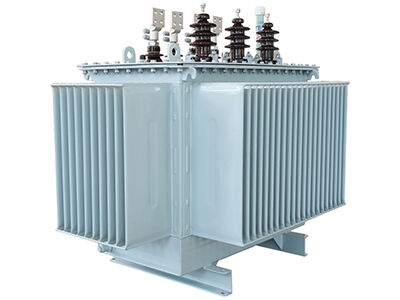
Ang mga transformer na puno ng langis ang mga pangunahing tagapagpatakbo ng imprastruktura ng mundo, na nagco-convert ng mataas na boltahe para sa mga industriya, utility, at mga planta ng renewable energy. Sa mga hindi optimal na kondisyon—kapag sobra ang payat na temperatura ng kapaligiran, o masyado ang alikabok sa kapaligiran, o labis ang kahalumhan ng hangin sa kapaligiran, o mataas ang altitude ng kapaligiran—ang nagsisilbing panganib sa kanilang buhay ay hindi ang electrical stress kundi ang thermal stress. Ang init ang pinakakaraniwang accelerator ng degradasyon. Ang pagtaas ng operating temperature ng isang Transformer na nasusubuhan ng langis ng 6°C hanggang 10°C sa itaas ng inirekomendang temperatura ay maaaring makabawas ng kalahati sa buhay ng Transformer na nasusubuhan ng langis ang mga sistema ng pagpapalamig ay hindi isang karagdagang accessory kundi isang mahalagang bahagi na may maunlad na disenyo, na nag-aaseguro ng katiyakan at katatagan kahit sa pinakamatinding kondisyon.
Pag-unawa sa Hamon ng Thermal sa Mga Mapanghamong Kapaligiran
Bago tingnan ang mga solusyon, mahalaga na unawain kung bakit hindi karaniwang epektibo ang normal na pagpapalamig sa ekstremong kalagayan. Dahil sa mainit na klima, ang pagkakaiba ng temperatura sa pagitan ng mga winding at ng kapaligirang hangin—na siyang pangunahing pwersa ng epekto ng pagpapalamig—ay malaki ang pagbaba. Ito ay nagpapahina sa mga paraan ng natural na pagpapalamig. Bukod dito, ang mga disyerto o industriyal na mina ay mga tirahan na nagdudulot ng polusyon sa hangin. Ang alikabok at buhangin ay maaaring sumira sa mga pinnacles ng radiator at maglagay ng insulasyon upang maiwasan ang pagkawala ng init. Ang sistema ng pagpapalamig ay maaari ring maging isang mahinang punto sa mga kapaligiran na may mataas na kahalumigmigan o malapit sa baybayin, maliban kung idisenyo ang sistema ng pagpapalamig upang maiwasan ang korosyon. Ang mga inhinyero ng Ryan Transformer ay nakakaintindi na ang isang transformer sa Gitnang Silangan ay may iba't ibang thermal dynamics kumpara sa isang transformer sa Timog-Silangang Asya. Kaya naman, ino-offer namin ang aming mga solusyon sa pagpapalamig na may safety margin batay sa mikroklima ng lugar kung saan ito i-install, upang ang temperatura ng mga internal hot-spots ay hindi bumaba sa pinakamababang limitasyon na tinatadhana ng mga pamantayan ng IEC o IEEE.
Optimized na Disenyo ng Radiator at Heat Exchanger
Ang disenyo ng radiator at heat exchanger ang pinakamalaking katangian ng advanced na pagpapalamig. Ang mga plain-fin na radiator ay maaaring epektibo sa mas banayad na klima, ngunit sa mas ekstremong kondisyon, kailangan ng higit na surface area at katatagan. Upang mapaksimisa ang heat transfer kahit kapag minimal ang galaw ng hangin, ginagamit ng Ryan Electric ang mataas na kahusayan na corrugated fin na radiator na bukas ang pinakamalaking posibleng surface area para sa hangin. Mayroon kaming detachable na radiator at cooler kung saan malaki ang footprint nito, tulad sa unit substations o sa mga urban na instalasyon. Sa ilalim ng ganitong modular na sistema, ang karagdagang cooling capacity (ONAN/ONAF) ay maaaring dagdagan nang hindi kinakailangang palakihin ang sukat ng tank. Maaaring gamitin ang water-cooled na heat exchangers (OFWF) sa mga kapaligiran na may mataas na kontaminasyon at limitadong espasyo. Maaari rin silang ma-install nang maayos sa mga lugar na may korosibong hangin o pampalabas na alikabok, dahil ganap nilang pinhihiwalay ang Transformer na nasusubuhan ng langis ang langis at ang hangin, kaya ang mga partikulo ng hangin ay hindi makakapigil sa daloy ng hangin at hindi rin ito magdudulot ng kontaminasyon sa langis.
Pinsala sa Pagpapalamig vs. Likas na Pagpapalamig: Ang Papel ng Redundansiya
Ang pilit na pagpapalamig ng hangin (ONAF) ay ginagamit sa ilan-ilan Transformers na Nababahura sa Langis upang malampasan ang labis na init. Ginagamit ng Ryan Electric ang mga malakas at termal na pinapagana ng mga bentilador, na idinisenyo na may antas ng proteksyon na IP55 o mas mataas laban sa pagsusupling ng alikabok at tubig. Ang mga bentilador na ito ay awtomatikong magsisimulang gumana upang mapanatili ang ligtas na temperatura ng langis kapag nasa tuktok ang karga o kapag may mga pangyayaring labis na init sa kapaligiran. Gayunpaman, ang redundansya at intelligent control ang magpapahaba talaga ng buhay ng mga kagamitan sa matitinding kapaligiran. Isang katulad na katangian ng aming mga disenyo ay ang dalawang yugto nito: sa aming kaso, ang normal na operasyon gamit ang natural na konveksyon (ONAN) ay epektibo, samantalang ang forced cooling ay pinaaandar. Ito ay nagbabawas sa pagkasira ng mga gumagalaw na bahagi at sa pagkonsumo ng enerhiya. Sa kaso ng pagkabigo ng isang bentilador, hindi agad titigil ang transformer; pananatilihin nito ang base na ONAN capacity. Maaaring napakahalaga nito para sa mga customer tulad ng mga proyektong pang-infrastraktura sa malaking saklaw o mga data center, kung saan ang anumang pagkakainterruption sa operasyon ay hindi tiyak na matatanggap.
Agham sa Materyales at Kagandahang Paggawa
Marami sa mga pag-unlad sa pagpapalamig ay hindi tumutukoy sa hardware na nakakabit sa labas ng tangke, kundi sa loob mismo ng tangke. Ang kahusayan ng paglipat ng init sa pagitan ng mga winding at ng langis ang pinakamahalaga. Upang maiwasan ang anumang posibleng hadlang na thermal dulot ng mga puwang, ginagamit ng Ryan Electric ang materyales na may mataas na conductivity sa init sa paggawa ng core at ng mga coil, kasama na ang aming pinabuting VPI (Vacuum Pressure Impregnation) na gumagamit ng aming napapanahong proseso sa materyales. Bukod dito, ang napiling materyales para sa insulation ay heat-resistant. Maaaring gamitin ang transformer sa mataas na antas ng temperatura sa operasyon gamit ang thermally upgraded na papel na Kraft at mataas na kalidad na insulating oil nang walang mataas na rate ng pagtanda. Ang bawat disenyo ay maaaring subukang lubos sa alinman sa aming dalawang laboratoryo para sa pagsusuri na may kapasidad na 35 kV / 110 kV, kung saan isasagawa ang mga temperature-rise test upang muling likhain ang pinakamasamang kondisyon sa kapaligiran. Ang lokal na kahusayan sa thermal efficiency at ang panlabas na redundante na sistema ng pagpapalamig ay mag-aaseguro na ang aming transformers na Nababahura sa Langis magbibigay ng mga dekada ng serbisyo nang hindi sumusuko kahit sa pinakadipaong kondisyon, na nagpapangalaga sa kapital ng aming mga internasyonal na customer.
Mga Ekspertong Solusyon para sa Transformer Makipag-ugnayan sa amin [dito] para sa presyo para sa bulk at teknikal na suporta.