Beyond the Exhibition Floor: 3 Critical Transformer Trends for PV Project Managers in 2026
I spent the last few days navigating the massive halls of the National Exhibition and Convention Center in Shanghai for SNEC PV+ 2026. If you’ve been following the industry, you know the narrative has shifted. Five years ago, everyone was talking about cell efficiency and bifacial modules. This year? The conversation in the "VIP lounges" and over booth counters was almost exclusively about the "Interconnection Bottleneck."
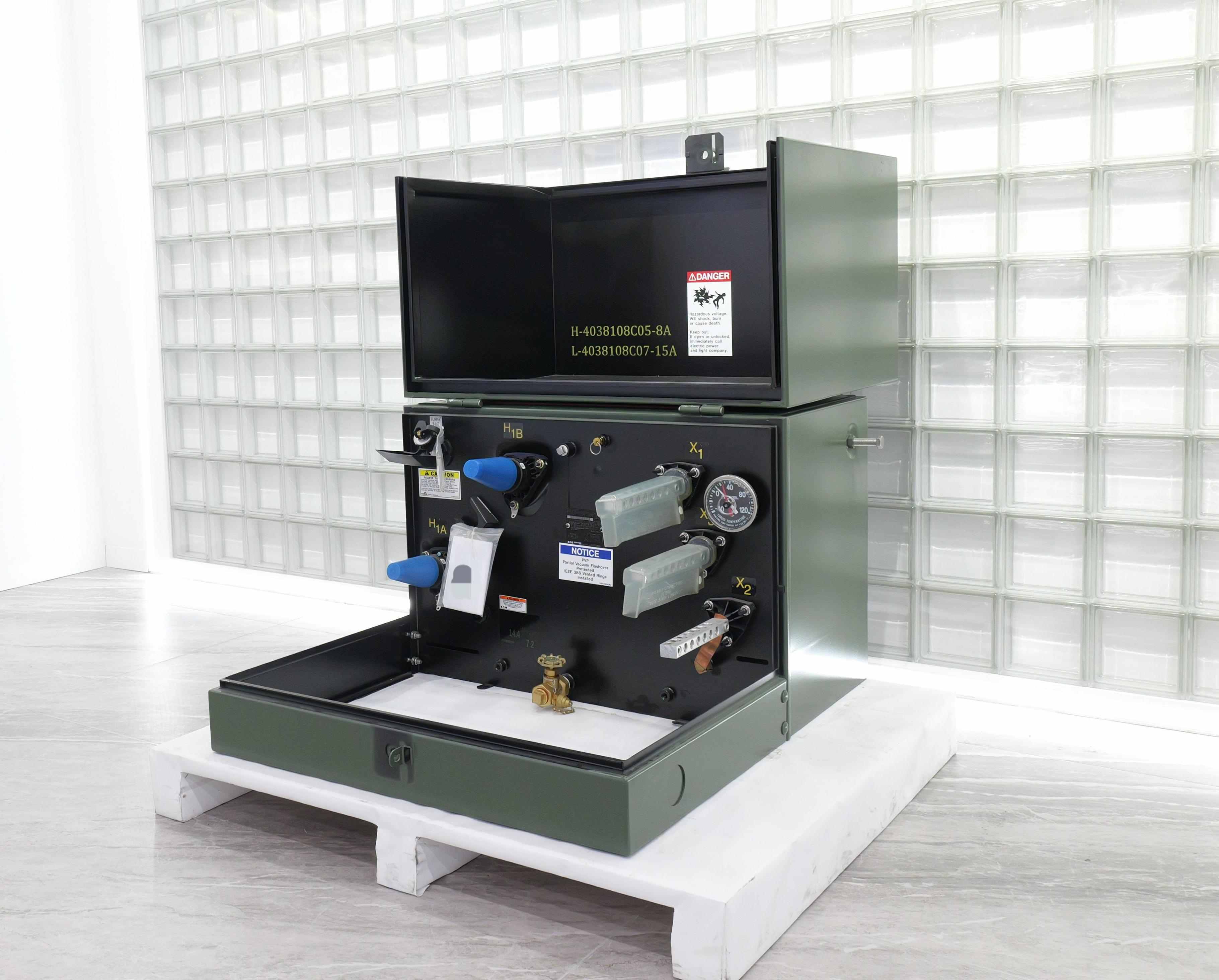
Specifically, I’m talking about the transformer. As a pad mounted transformer manufacturer, we’ve seen a massive spike in inquiries that have nothing to do with price and everything to do with reliability and compliance. Project managers are realizing that a $50 million solar farm is just a very expensive field of glass if you can’t get the power into the grid.
One of the most frequent questions we received from EPCs was: "What kind of data can I get out of the tank?" In 2026, the industry is finally moving away from the "set it and forget it" mentality. We are seeing a rapid adoption of smart grid integration features. At our booth, we showcased units equipped with integrated fiber-optic temperature sensors and dissolved gas analysis (DGA) monitors.
Here’s the part most buyers miss: Real solar energy transformer solutions aren't just about adding a sensor; it’s about the algorithms behind them. If your transformer can’t predict oil degradation based on the erratic load cycles of a solar farm, you aren’t truly "smart." Our latest designs use these load profiles to actively manage the cooling fans, extending the insulation life by up to 15%.
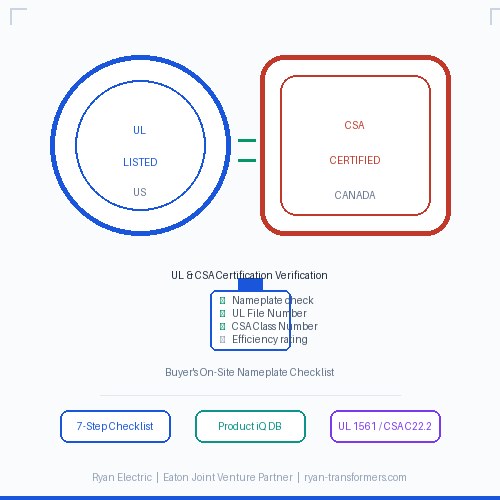
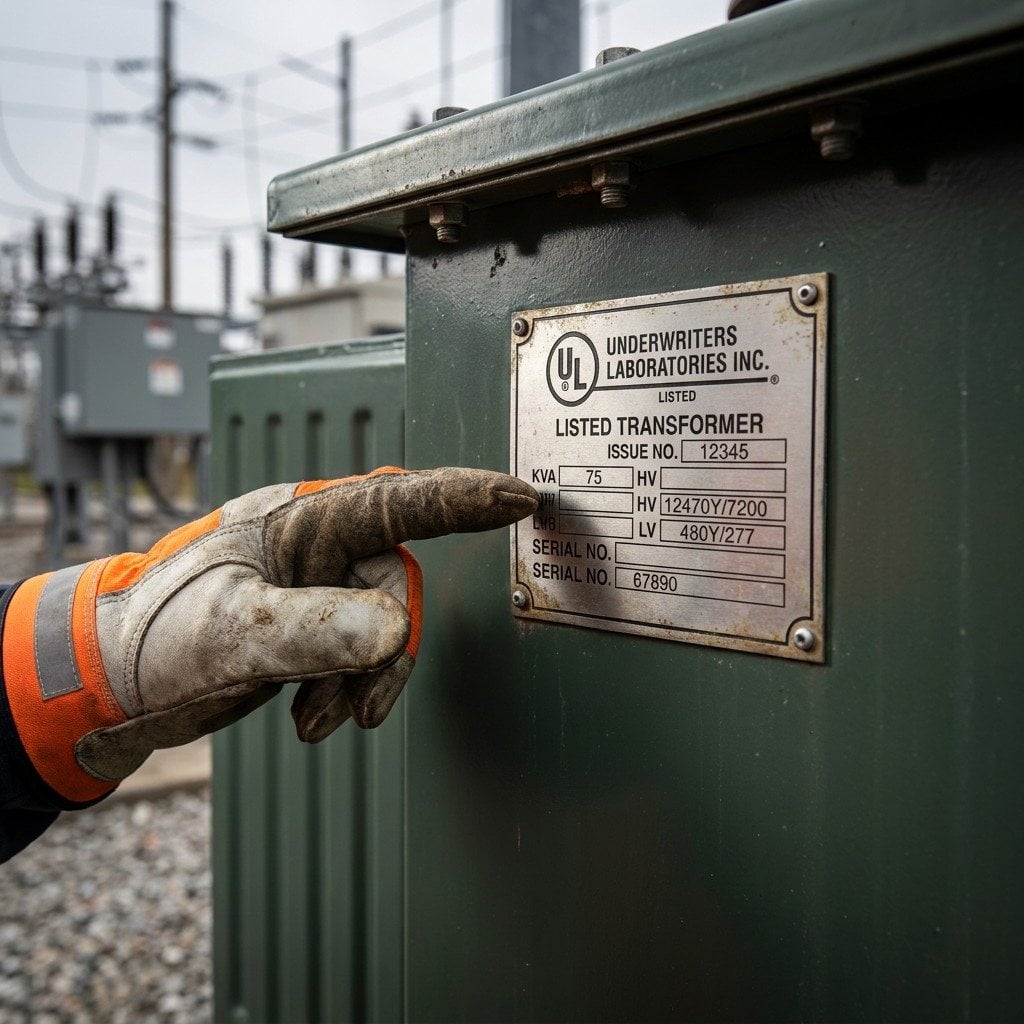
We had a long conversation with a developer from Ontario who had three containers of transformers sitting at a port because their previous supplier's "UL-equivalent" paperwork was rejected. Let’s be blunt: There is no such thing as "UL-equivalent" in the eyes of a North American inspector.
If you are sourcing from a pad mounted transformer manufacturer in China, you must verify the specific UL file number. Being a UL listed transformer supplier isn't just about a sticker; it’s about meeting IEEE C57.12.28 for enclosure integrity. At Ryan Electric, we’ve spent years aligning our 120,000㎡ factory with these standards. When we sit down with a client from Canada or the US, we show them the specific test reports for BIL and short-circuit withstand capabilities.
The third trend is the explosion of Battery Energy Storage Systems (BESS). However, many project managers are still trying to use standard distribution transformers for storage applications. This is a mistake. A BESS transformer handles bi-directional power flow and frequent, high-stress ramping. We’ve seen standard units in Southeast Asia fail within 24 months because they couldn't handle the harmonic distortion.
|
Feature |
Cast Resin Dry-Type |
Pad-Mounted (Oil) |
|
Overload Capacity |
Limited |
High |
|
Best For |
Indoor / Fire-safety |
Outdoor Solar Farms |
In our experience, for utility-scale solar energy transformer solutions, the UL listed transformer (oil-filled pad-mounted) remains the gold standard, provided the manufacturer has accounted for K-factor ratings.
A question I get asked a lot is: "How did the Eaton partnership change Ryan?" It didn't just change our brand; it changed our shop floor. Every pad mounted transformer manufacturer claims to have quality control, but since 2023, we’ve implemented Eaton’s specific "Zero-Defect" protocols. Every weld is X-rayed, and every batch of copper is tested for purity before it ever reaches the mandrel.
About Ryan Electric
Ryan Electric (est. 2007) is a specialized transformer manufacturer and an official joint venture partner of Eaton. With 120,000㎡ of production space and a portfolio of 37 patents, we provide high-performance power solutions for data centers, solar farms, and utilities worldwide.

 EN
EN