Beyond the Rack: Why Data Center Uptime Starts with Transformer Efficiency and Power Density
It was 2 AM when the alarm went off. For the facility manager at a Tier-III data center in Singapore, that sound is the stuff of nightmares. It wasn't a server failure or a security breach—it was a temperature spike in the main substation. One of the distribution units was gasping for air, overwhelmed by the sheer heat of a high-density AI compute cluster that had just come online.
This is the reality of the "AI Era." As we push more kilowatts into every square foot of the rack, the pressure on the dry type transformer for data center applications has never been higher. You can have the most advanced liquid cooling at the chip level, but if your transformer is a bottleneck, your uptime is a house of cards.
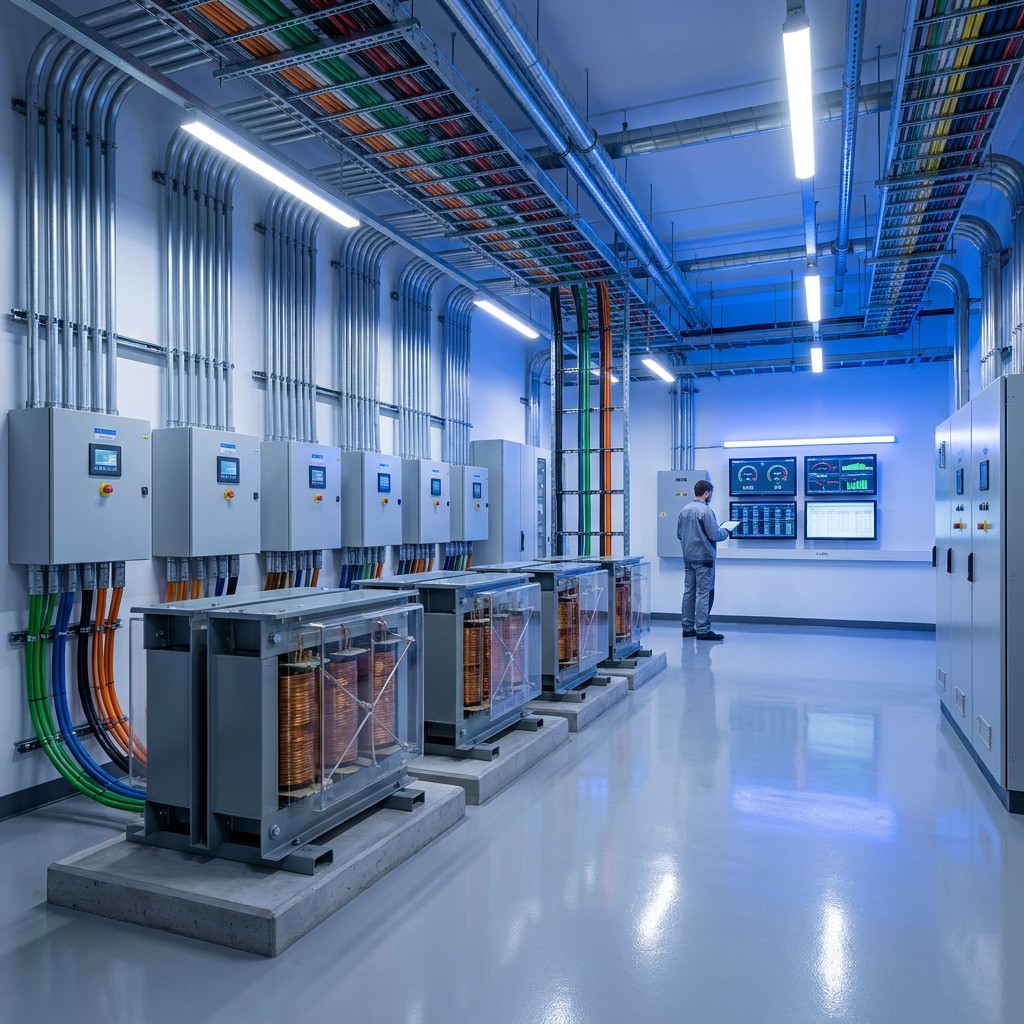
In a data center, space is literally money. Every square meter taken up by electrical infrastructure is a square meter that isn't hosting a revenue-generating rack. This is why transformer power density has become the metric that keeps engineers up at night.
Historically, the only way to get more kVA was to build a bigger tank. But at Ryan Electric, we’ve flipped that logic. By utilizing advanced Eaton technology standards in our insulation and core design, we’ve managed to pack 2500kVA into a footprint that used to be reserved for 1600kVA units. We’re using higher-grade silicon steel and precision winding techniques that allow for better airflow and heat dissipation. It’s the difference between a bulky desktop and a high-end laptop—same power, half the volume.
When you’re looking for a dry type transformer for data center projects, the fork in the road is usually between Cast Resin and Vacuum Pressure Impregnation (VPI).
|
Feature |
Cast Resin (Epoxy) |
VPI (Varnish) |
|
Fire Safety |
Self-extinguishing (Best) |
Excellent but not self-ext. |
|
Moisture Resistance |
Superior (Total encapsulation) |
Moderate |
|
Heat Dissipation |
Requires optimized airflow |
Higher airflow cooling |
In our factory, we lean toward Cast Resin for mission-critical IT environments. Why? Because the total encapsulation of the windings doesn't just block moisture; it prevents the fine metallic dust (common in construction or aging facilities) from causing a flashover. It’s an insurance policy you only pay for once.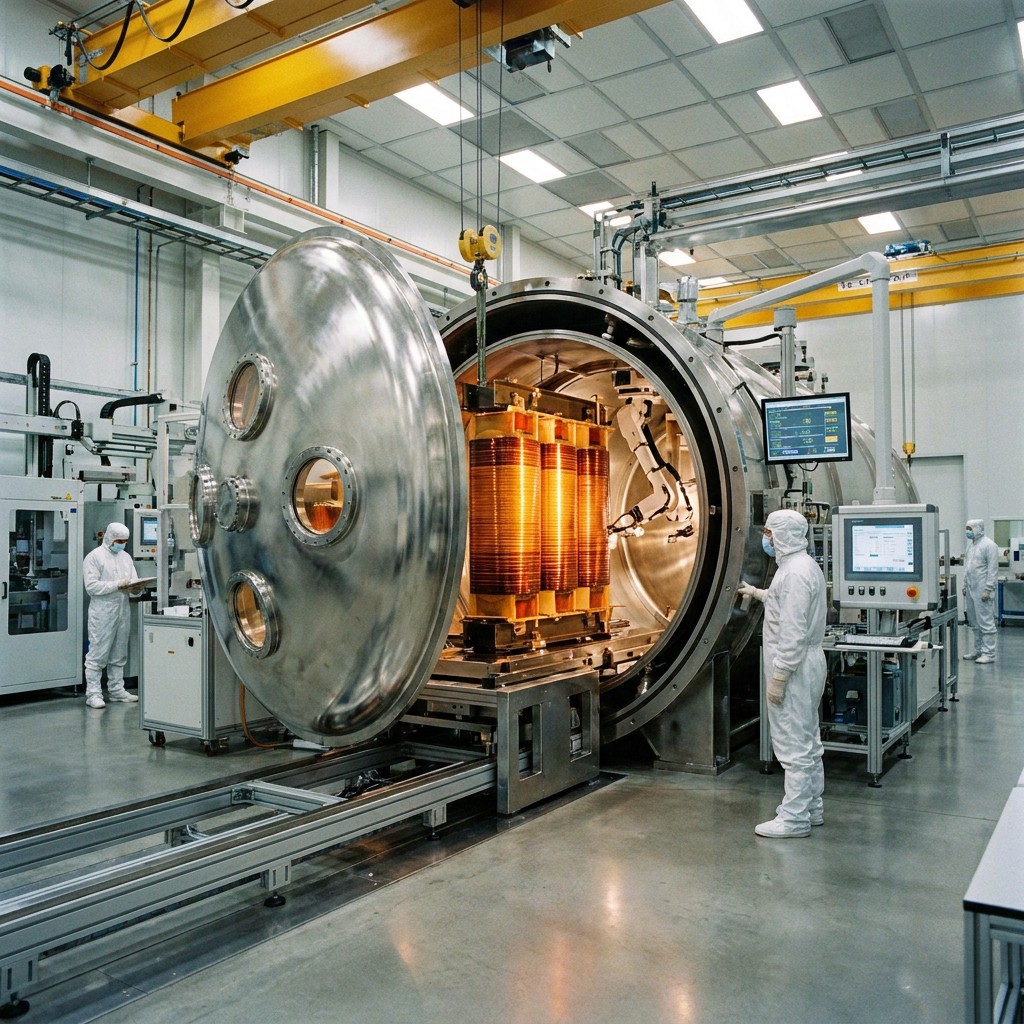
Let’s talk about money. If your transformer is 98% efficient versus 99%, that 1% difference sounds small. But for a 20MW site running 24/7, that 1% is hundreds of thousands of dollars in wasted heat energy over ten years. A high efficiency transformer essentially pays for itself in reduced cooling costs alone.
Since the 2023 Eaton joint venture, Ryan Electric has adopted the "Efficiency First" design philosophy. We are meeting and exceeding DOE 2026 standards today. By reducing no-load losses, we’re not just helping the planet; we’re helping your P&L. You can Calculate your OpEx savings using our online energy tool to see the real-world impact.
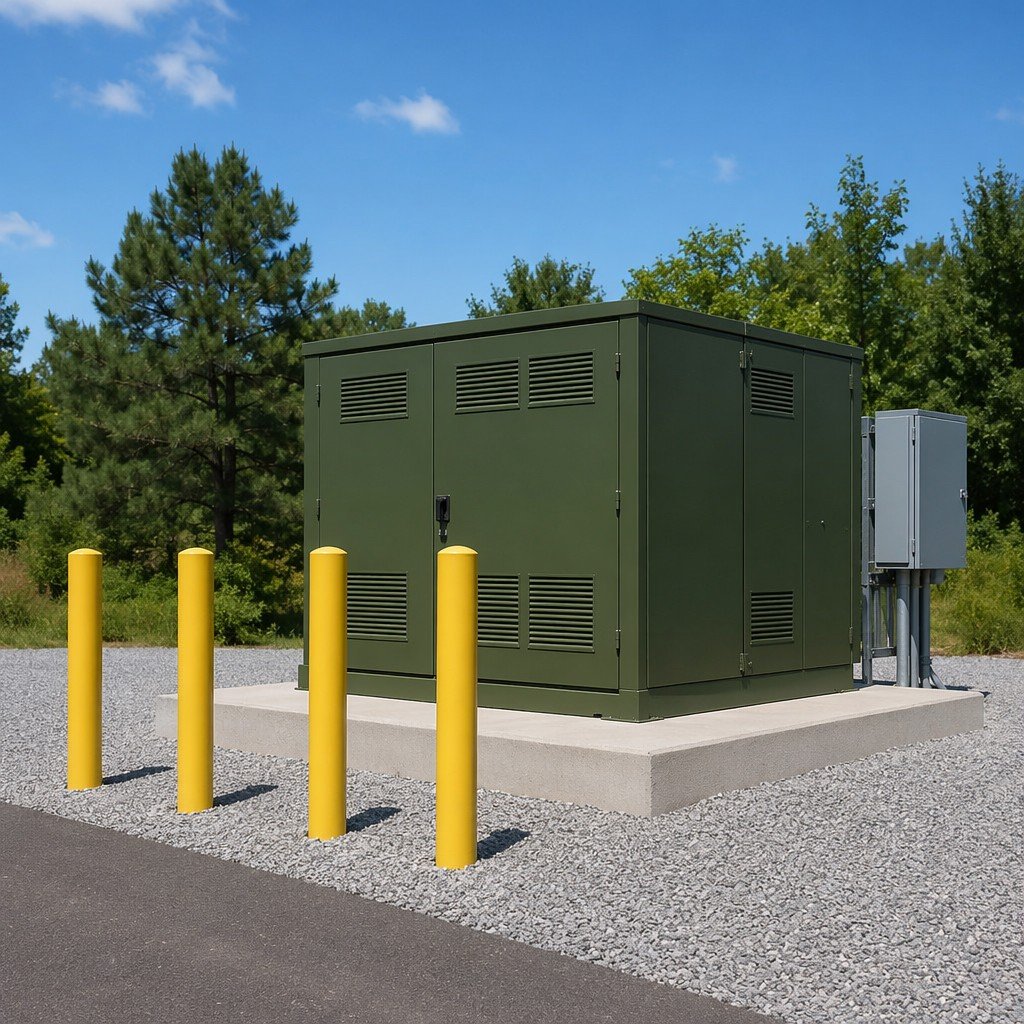
Last year, we stepped into a project where a major cloud provider was seeing repeated thermal trips on their transformers. The problem? The previous supplier hadn't accounted for the unique airflow patterns of the room. We didn't just sell them new units; we redesigned the enclosure ventilation and integrated our Transformer thermal monitoring system to provide millisecond-level data to their SCADA. We believe that if you can't measure it, you can't manage it.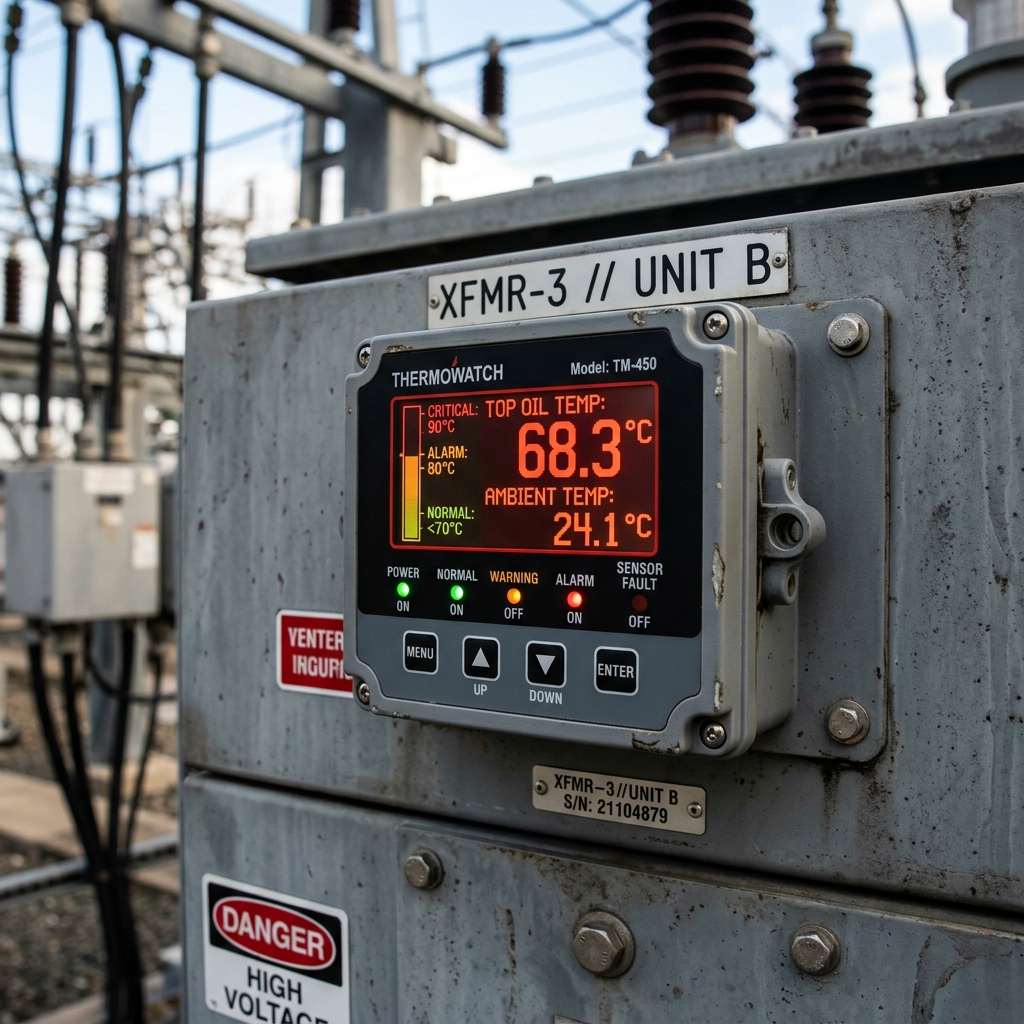
We look forward to helping you build a more resilient infrastructure. Don't let your distribution layer be the weak link in your compute stack. Request a custom data center quote from our engineering team today.
About Ryan Electric
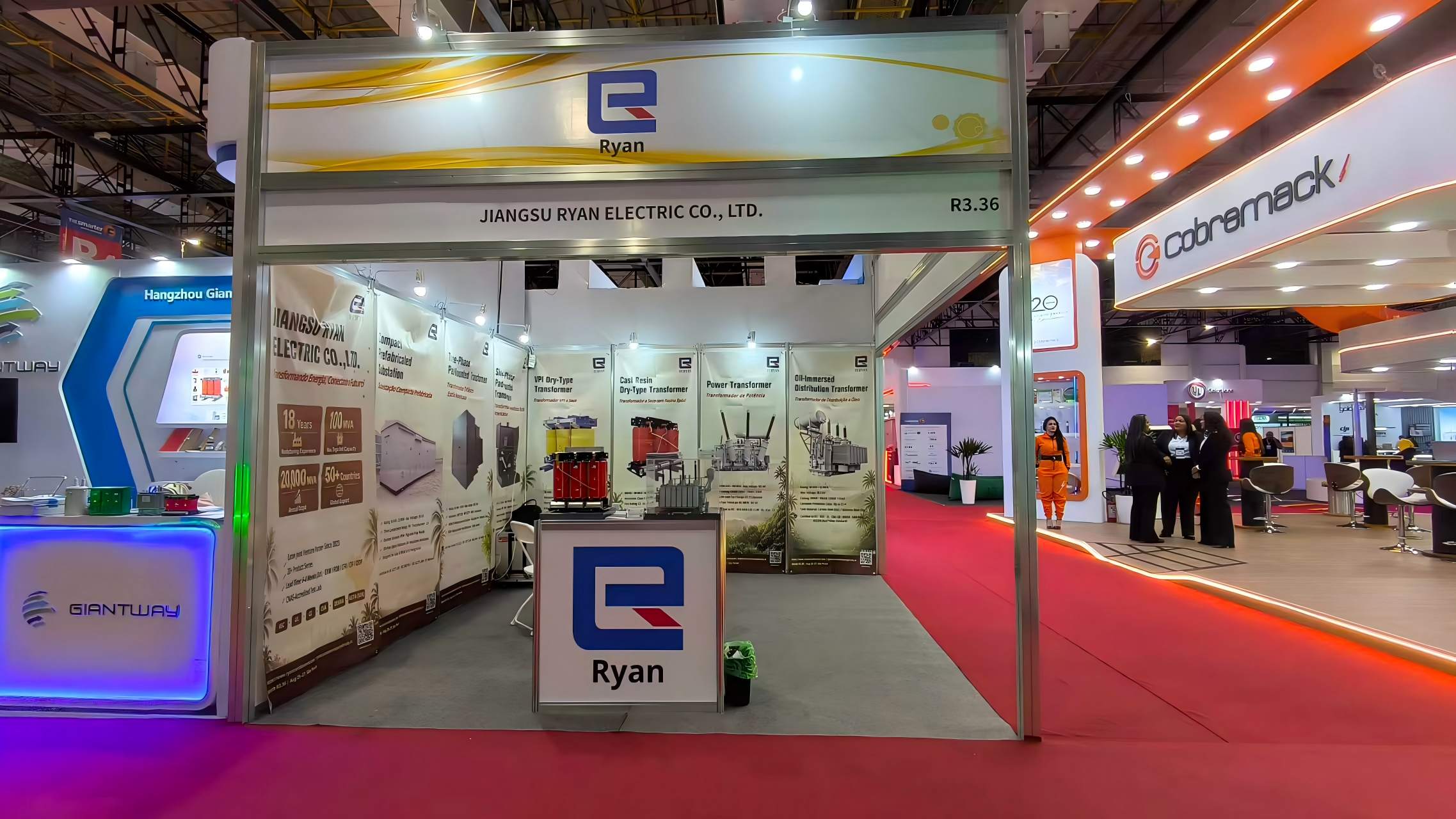
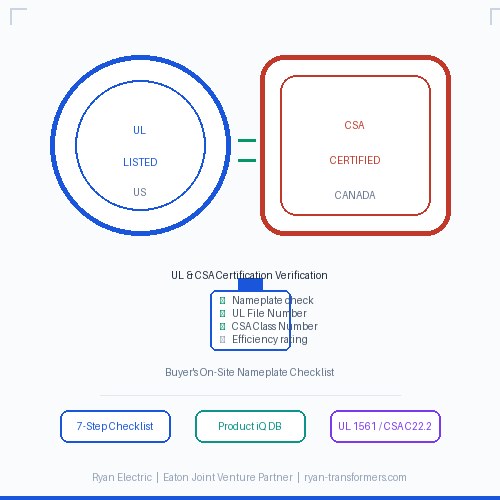
Ryan Electric (est. 2007) is a leading transformer manufacturer and an official joint venture partner of Eaton. With 120,000㎡ of production space and a portfolio of 37 patents, we serve global leaders like Amazon and Microsoft with certified power solutions that meet the highest international standards.

 EN
EN