
 EN
EN
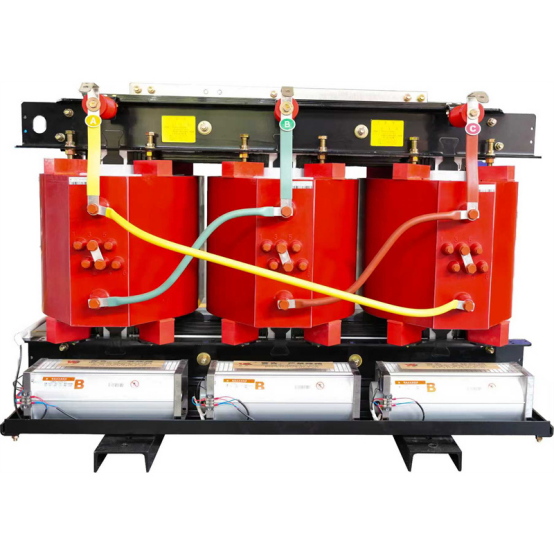
Dry type transformers have already become a critical part of the contemporary commercial power distribution systems as an alternative to the old-fashioned oil-filled transformers because they are safe and reliable, as well as environmentally-friendly. As electrical loads in commercial buildings including shopping centers, office complexes, hotels and data centers become heavier, dry type transformers offer the performance and safety benefits necessary to meet the demands of the current day infrastructure requirements.
What are Dry Type Transformers?
A dry type transformer is a kind electrical transformer that cools the insulated space with the use of air or solid insulation rather than oil. Dry type transformers are made to use cast resin, or vacuum pressure impregnated (VPI) windings, unlike oil-filled transformers, which seek to rely on the use of a liquid coolant to offer insulation and heat dissipation. This design has removed the use of oil and it has greatly minimized risks related to leakages, fire hazards and environmental pollution.
As a leading manufacturer, Ryan Transformers specializes in high-quality dry type transformers, such as cast resin and VPI types,which are in use in commercial distribution networks around the world. These products are validated against international standards of safety and performance including UL, CE and ASTA; hence they are compatible with the strict project requirements.
Commercial Uses of Safety and Environmental Benefits
Safety is among the main factors which make dry type transformers preferable in commercial power distribution. Since they do not use flammable liquids, dry type transformers do not pose the risk of oil spill and fire hence the use of these types of transformers in the interior and high human traffic areas like malls, conference centers, airports and high rise buildings.
Moreover, dry type transformers do not harm the environment. The lack of oil implies that the soil or water contamination is not a threat, which is a significant requirement to meet the present-day building standards and environmental policies. They can be safely used in sensitive environments such as hospitals and schools where ecological impact is a very important consideration because of their construction.
Less Maintenance and Lifecycle Savings
Dry type units need less maintenance than oil-filled types due to the absence of oil that needs to be tested, filtered or replaced. This feature minimizes the time of operations down and minimizes the overall cost of ownership in business premises. In addition, dry type transformers are usually constructed with longer service life because of resistant insulation materials and lesser number of parts.
In commercial power distribution where continuous service is of great importance to the business, this benefit of low maintenance translates to a highly efficient and reliable operation. The reason why many building managers would use dry type solutions is that they can do routine inspection and thermal scanning without any insulating fluids leaked or without a power shutdown.
Ready to see the savings for your project? Request your custom TCO analysis.
Installation and Adherence to Building Codes
Compared to the oil-filled types, dry type transformers are smaller and less weighty and thus can be easily fixed in narrow spaces, which is a major advantage in the urban commercial environment where space can be a major constraint. Their high insulation allows them to be mounted nearer to the load center thereby reducing the number of cable lengths and voltages.
Also, the dry type transformers allow the architects and electrical engineers to comply with tough fire safety and electrical codes without using special containment rooms or auxiliary fire suppression systems. This is particularly necessary in large commercial buildings that have a high number of people occupying them, and the safety standards are highly imposed.
Implementations in Commercial Infrastructure
Dry type transformers find common applications in the following types of commercial power distribution settings:
- Shopping Centers and Retail Hubs - Provide stable power to utilize in lighting, HVAC and electronic devices.
- Office Buildings and Towers - Limit the risk of unsafe voltage distribution across the various floors with low emission risks.
- Data Centers and IT Facilities - Provides support to the key operations where fire safety and power stability are critical.
- Hotels, Hospitals and Airports -They offer reliable distribution of electricity without the risk posed by oil-filled units.
Ryan Transformers offers dry type solutions utilizing these diversified commercial applications supported by a long history of manufacturing experience and international export capabilities.
Conclusion
With the ongoing developments of a commercial power distribution in terms of greater safety, efficiency and environmental constituencies, dry type transformers are progressively becoming the choice of engineers and facility managers. They meet the requirements of the contemporary business setting with such features as effective insulation, fire safety, convenient maintenance, and multi-purpose installation, which promotes the interests of the sustainable infrastructure agenda.