What Drives the Resilience of Modern Grid Distribution Units
Resilient grids are today becoming the center of utility planning all over the globe at a time when mounting extreme weather, cyber-physical risks are increasing besides the growing desire to have constant power. At the rank of this battle are the units of distribution, the transformers and substations, that finish the linkage between the high-voltage transmission network and the ultimate consumers. When a hurricane strikes, or a cyber-attack occurs on the distribution infrastructure, the resilience of such distribution assets will be what keeps communities online or in the black. The resilience factors are designed at Jiangsu Ryan Electric through decades of engineering experience and Eaton joint venture technology in every unit we deliver to utilities in more than 80 countries.
The first rank of grid resilience is physical strength. The existing distribution units must be able to withstand the impact that would have destroyed their predecessors, hurricane force winds, earthquakes, wild fires and floods. This will necessitate a change of paradigm with regards to the design of the enclosures, material and internal bracing.
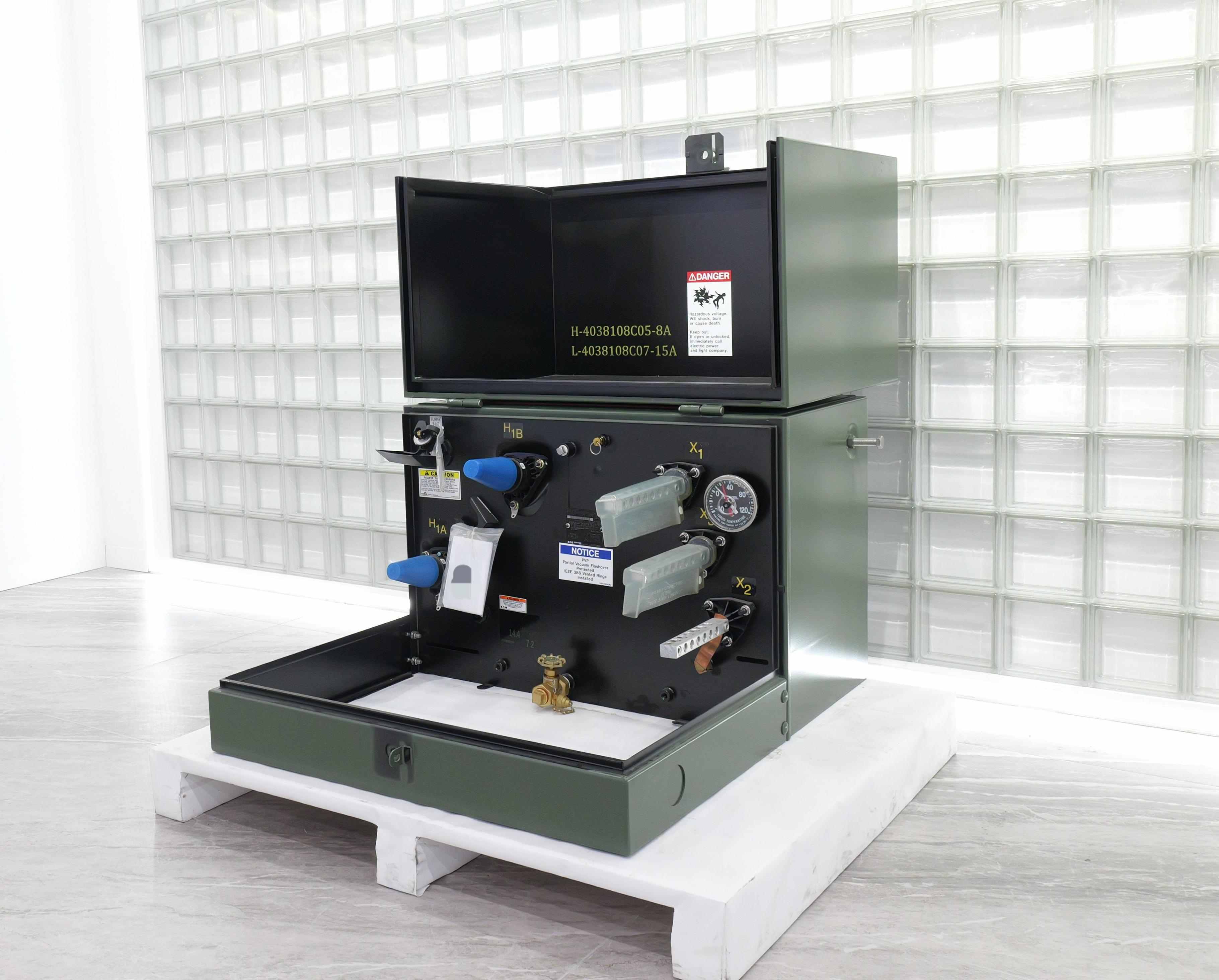
Ryan electric addresses the challenges through various ways of engineering. In pad-mounted transformers, where the use is in residential and commercial, we shall endeavor to use heavy-gauge steel housings of tamper resistant hardware and greater resistance to corrosion than is suitable along the coast. The small substation transformers have modified structural supports that are not damaged in the event of a seismic impact on zone. In our designs, where fire prone areas like the wildfire occur, we limit sources of ignition and use flame retardant materials. Each enclosure comes with a thermal management system that allows the enclosure to safely work even when the grid is most loaded and when ambient temperatures are most dangerous to the standard designs. This physical power ensures that our distribution units will be ready when the next storm arrives and that it will be running.
The current environment needs additional grid toughness, which cannot be achieved only through physical toughness. The distribution units of today must be smart; they must be able to monitor their health themselves, must be able to foresee potential failures, and must be able to communicate with the grid operators before crises get out of control.
Ryan Electric has integrated the state of art sensing and monitoring systems in our distribution transformers as well as our distribution substations. Installed in woundings are fiber optic temperature sensors that allow real time observation of hot-spots, thereby allowing operators to dynamically regulate the loading process to actual temperatures. Dissolved gas analysis (DGA) sensors in oil immersed devices detect potential faults weeks or months before they can occur and cause a failure. We have partial discharge monitoring on our dry-type cast resin transformers to sense the insulation failing before it becomes ineffective. The information is sent to utility control rooms with embedded communication protocols where predictive maintenance can be performed to prevent outages rather than address them. When the critical infrastructure client like data centers and hospitals have this type of intelligence they are assured that they can anticipate some issues and proactively address them before they can cause any impact.
Whatever the weather, or equipment failure, or external factors that may occur to cause the outages, the rate of restoration will be the most important. Traditional grid design with big, location-specific transformers typically results in lengthy outages as special purpose replacements are manufactured and installed. The strong grids of the time can no longer be dealt with in the same way.
Ryan Electric distribution units embrace the principle of modularity and interchangeability as the design principles. The footprints and connection points of our unit substation transformers are standard and can be readily converted to spares ready to fit. Where pad-mounted transformers are involved, used in residential applications, we have a series of bushing designs and mounting sizes, in kV, across the board, so that a utility can temporarily step down to a larger unit size until permanent replacement is effected. This plug-and-play philosophy is applicable to our miniaturized substations, where modules can be replaced without special tools or enormous reconfigurability. The resultant effect is that restoration times are computed in hours rather than days thereby reducing the community disruption and outage losses to the economy.
Resilience is not a presumption; it must be proven through rigorous testing and verification to the highest standards in the world. Today distribution units must demonstrate not only their capabilities in the factory, but in the field of their work.
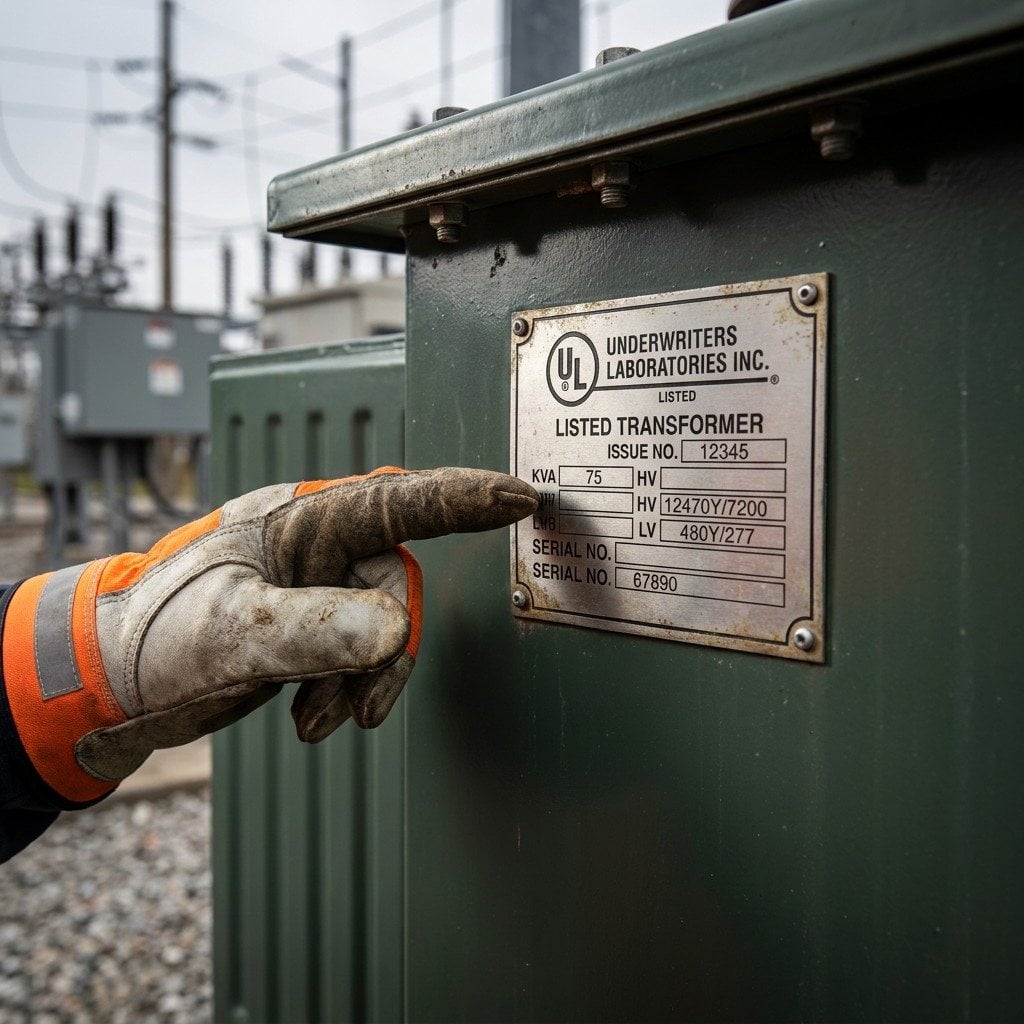
Ryan Electric supports the concept of resilience through the comprehensive testing in our two CNAS approved 35 kV 110 kV 200 kV labs. All designs go through routine, type and special tests, which are more rigorous than IEC, IEEE and national standards. We are certified as UL, ASTA, CSA, CE and DEKRA and this ensures with our own independent certification that our products can withstand the requirement of the utilities of all the nations in the world. In those applications, where more specific resilience properties, e.g. seismic certification or operation in very high or very low temperature conditions are needed, our own R&D team will create special solutions, which are tested by special test procedures. This standards obligation is backed by our Eaton joint venture history that when a utility invests Ryan Electric distribution units, they are investing in reliability that has been tested through the strictest of the tests in the industry- that they can be reliable in providing power to their communities, year after year, despite it all.

 EN
EN