Why Low-Loss Distribution Units are Essential for Industrial Grids
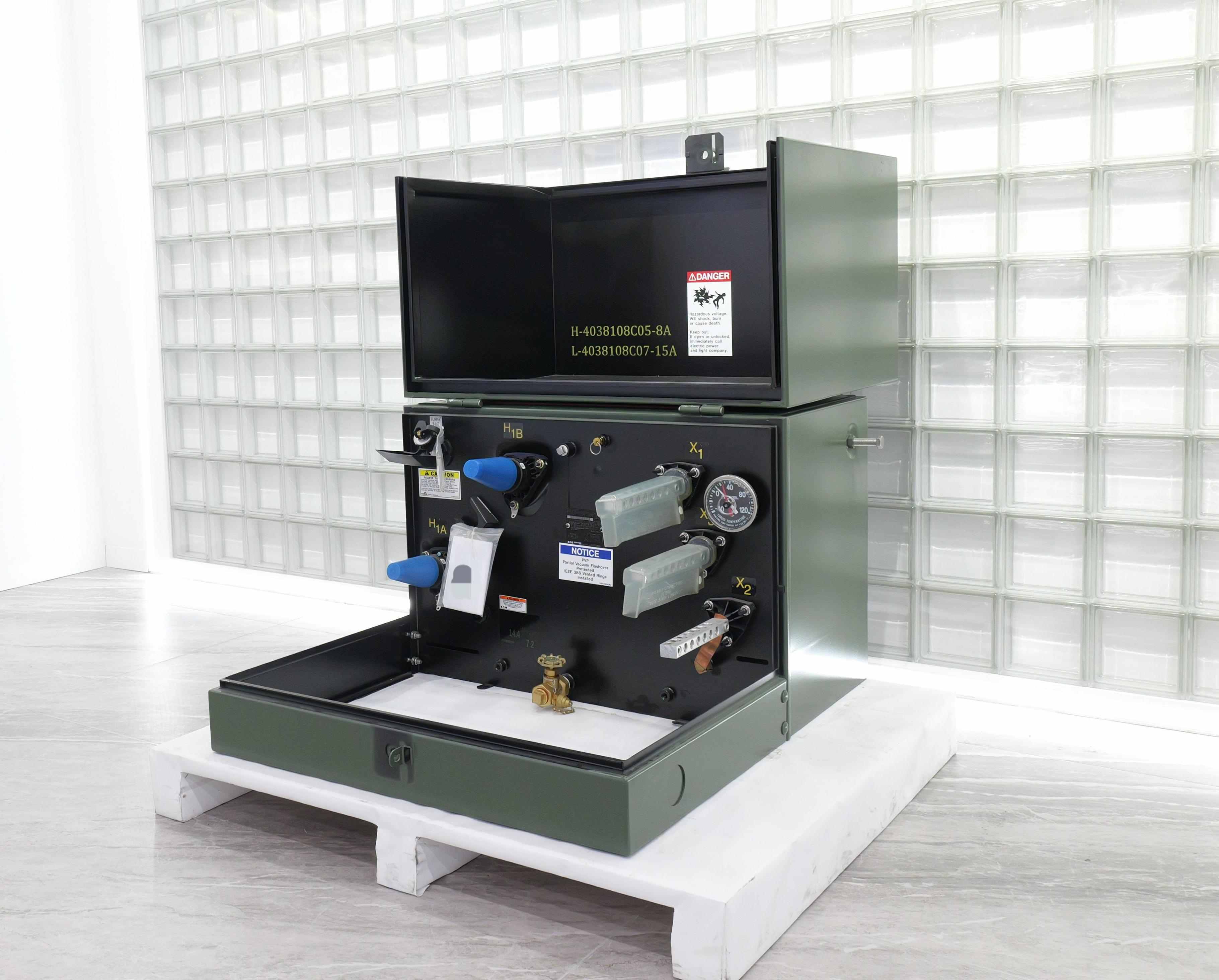
Industrial plants are some of the greatest consumers of energy in any electrical system. The power that passes through distribution transformers is a major cost of operation in steel mills and chemical plants, data centers and manufacturing complexes. Transformer efficiency has been an issue that was not given much attention in the past as compared to other equipment but this has changed remarkably. As energy costs increase, carbon standards grow more restrictive and as companies make sustainability a priority, low-loss distribution units have become a niche of interest rather than a niche requirement in the design of an industrial grid. Jiangsu Ryan Electric, based on our heritage of Eaton joint venture and sophisticated manufacturing capabilities, are able to provide the efficiency required by modern industry.
All transformers, no matter their design, have two losses namely no-load losses (core losses) that take place 24 hours a day, 365 days a year and load losses (winding losses), which change with current. In the case of an industrial plant that is running 24 hours a day, these losses will be directly converted into electricity expenses that will add up with time.
Take the example of 2.5 MVA distribution transformer with a loading of 80 percent. Even when the efficiency is raised by 1 percentage point so instead of 1.5 per cent, it becomes 0.5 per cent, the savings is about 175,000 kWh/a. This is over 15,000 per transformer annually at industrial electricity charges. With a 30-year life span of service, the savings strategy would yield half a million dollars which is much higher than the outlay involved in purchasing equipment. Numerous economies are realized in Ryan Electric low-loss distribution units which use optimized core steel, designed precision winding, and advanced manufacturing methods that reduce no-load and load losses. The overall savings are a significant addition to bottom-line profitability in the case of facilities that run a number of transformers.
The core of any low-loss transformer is its heart. Conventional grain-based silicon steel, though efficient, has achieved its potential of efficiency. In our distribution transformers, Ryan Electric uses the most recent generation of high-permeability grain-oriented steels and amorphous metal alloys, halting or better losses in the core by 70 or more than in conventional designs.
Cores geometry is also important in reduction of losses besides materials. Step-lap mitred joint construction of ours minimizes air gaps in core joints, minimizing the magnetizing current and resulting losses. Core dimensions are optimized with the aim of maximizing the use of material versus loss performance so as to have the most cost effective efficiency at each application. In our cast resin and VPI transformers we utilize high-tech core clamping systems where the pressure on the core stack is evenly distributed so that the local losses due to mechanical stress are avoided. Each of our core designs is tested in depth in our CNAS-approved laboratories and guarantees that the calculated efficiencies are reflected in the real field results.
At light load core losses predominate, but at higher loading load losses, which are predominantly I²R losses in the windings, become important. These are dealt with by employing several design innovations by low-loss distribution units.
The windings of the Ryan Electric transformers are made of high conductivity copper instead of aluminum, and the resistance losses are reduced about 40 percent at the same cross section. Our wounding methods are fine enough to maintain a constant distance between turns and provide a tight tolerance that reduces the amount of eddy current losses which rises with the level of harmonic content of the industrial context. In the case of larger units we use transposed conductors which minimize the circulation currents over multi-strand windings, and losses are further minimized. The vacuum pressure impregnation (VPI) procedure, which is used on our dry-type and liquid-immersed units, removes voids, which cause localized heating and resistance. The performance is a loss of load that has continued to go well beyond industry standards providing efficiency that compounds with each amp of current.
In addition to direct economic advantages, low-loss distribution units are crucial towards fulfilling sustainability obligations and regulatory standards. The pressure is mounting on industrial facilities around the world to ensure that they cut down on carbon footprints, whether it is the corporate environmental objectives, government regulation, or the demand by the customers on their supply chains.
The efficiency of transformers in kilowatt-hours saved will translate into the reduction of indirect carbon emissions of the facility by the marginal rate of emission by the grid. In companies with reporting systems such as the Global Reporting Initiative (GRI) or the Science Based Targets initiative (SBTi) these cuts have a direct impact on climate commitments. Moreover, the efficiency quotas keep on becoming stricter as well in the entire world, such as the recent transformer regulations in the U.S. Department of Energy or the Ecodesign in Europe. The low-loss distribution units of Ryan Electric are designed to outperform the existing needs and have the future standards in mind that insulates the customers against the loss of obsolescence by regulation.
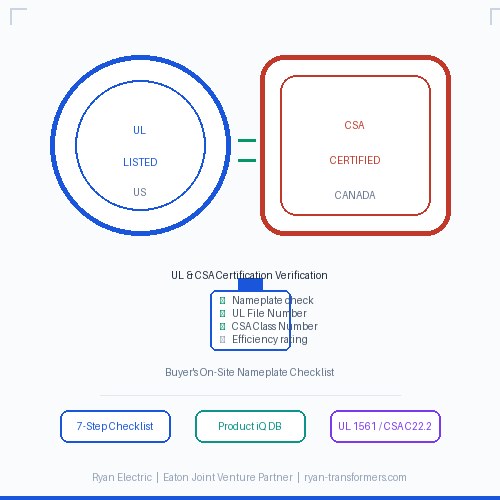
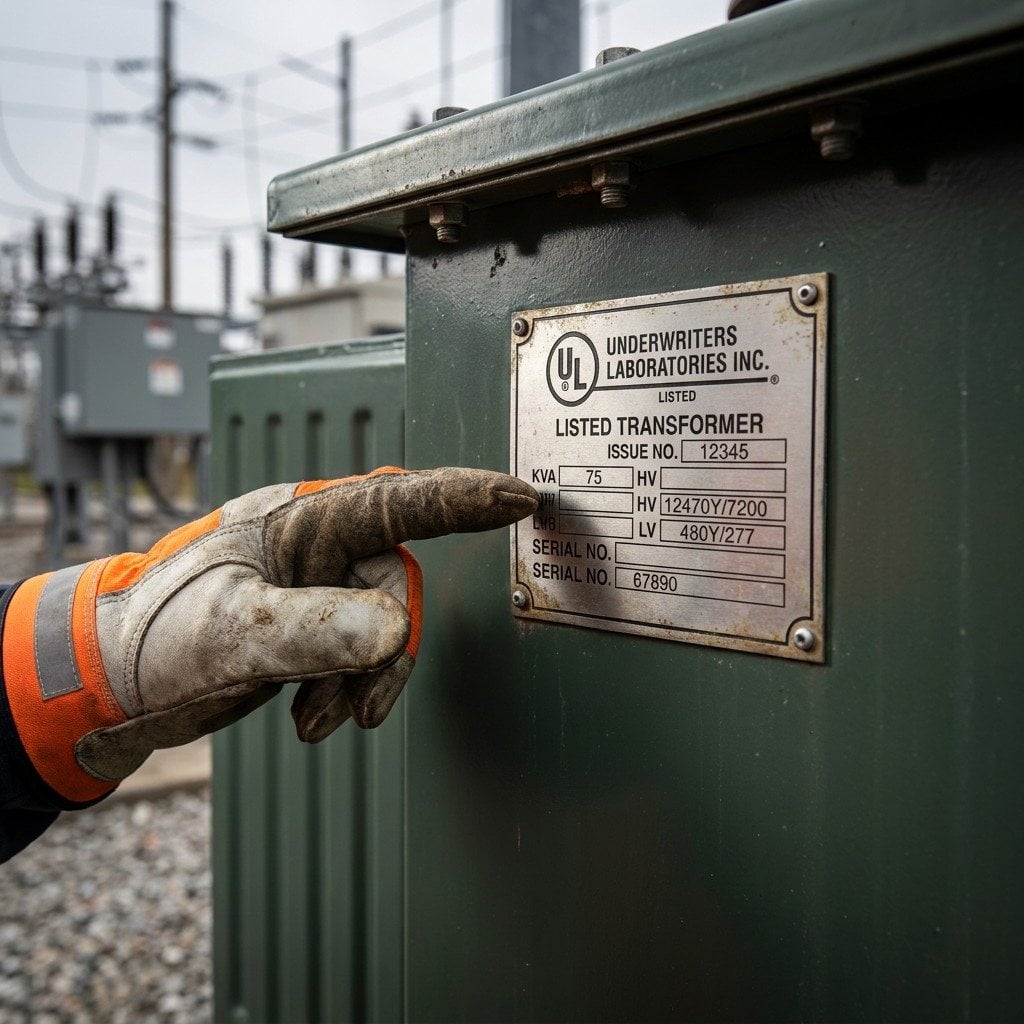
We are compliant with IEEE and UL, CE, and other international performance and have been certified by ASTA, DEKRA, and CSA, which are independent in verification of efficiency performance. To clients, including Microsoft data centers and national utilities in over 50 countries, Ryan Electric provides units of distribution which lower the operating costs, aid in achieving sustainability, and meet global standards that are dynamic, which are necessary qualities of the industrial grids of the present and the future.

 EN
EN