
 EN
EN
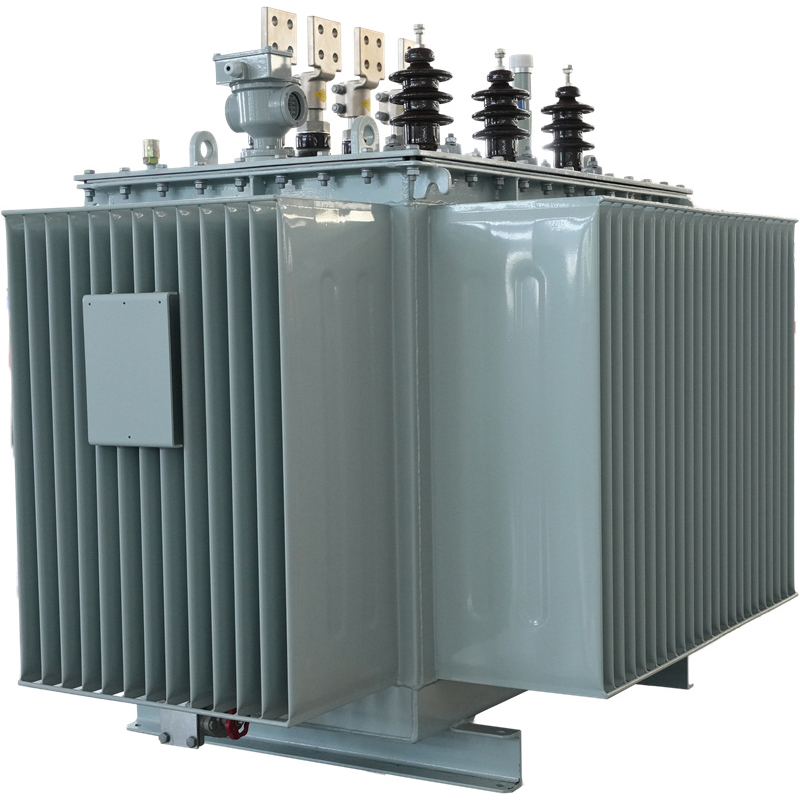
Loss of electricity due to dissipation of electrical energy in the form of heat in transformers, transmission lines and distribution network represents a significant loss per day and is not only the loss of electricity but also a rise in the cost of operation and unnecessary carbon emissions. For facility managers, utility operators and industrial engineers, one of the day-to-day concerns is how to reduce these losses. The reduction of no-load (core) losses and load (copper) losses and an efficient distribution transformer can deliver a significant amount of energy savings in its lifetime because the product is well designed. The distribution transformer designed by Jiangsu Ryan Electric Co., Ltd. reduces the loss by intelligent cooling, precision manufacturing and advanced materials, and very little energy will be wasted at the voltage step-down process.
Low-Loss Core Materials and Magnetic Optimization
The core of a distribution transformer is magnetized and demagnetized 50 or 60 times a second and, even when the inefficiency is small, it can result in significant losses of energy over the course of a year. Ryan Electric is made of high permeability, cold-rolled grain-oriented (CGO) silicon steel and coated with domain-refining materials that reduce hysteresis losses, the losses caused by the realignment of the magnetic domains. The step lap joint at core corners has minimal air gaps, thus low magnetizing current and low no load losses. In the most demanding applications, we can supply amorphous metal cores which show up to 70% lower core losses than that of conventional silicon steel. The cores are precision stacked with auto equipment so that each core is aligned and even to assure no hot spots in the core over time. With these magnetic optimisations, your distribution transformer consumes very little power while it is "on", even if you have little or no load.
High-Conductivity Windings and Optimized Conductor Sizing
The load losses (also called I²R loss) in a distribution transformer are losses in the windings caused by current flowing through the resistance of the copper and/or aluminum conductors. Ryan Electric lessens these losses by selecting and sizing conductors appropriately. Use high purity electrolytic copper (above 100% IACS conductivity) or high grade aluminium alloys with optimum cross-sections, balance initial cost and long term and loss savings. Our Computer controlled Winding machines give a correct tension and spacing between the conductors which ensures that the conductors are evenly distributed and minimizes stray losses caused by eddy current in the conductors and in the turns. We also size conductors to provide the most economical current density for each application to minimise copper loss and maximise capital cost of the transformer. This translates to greater conversion efficiency and less energy loss per day, and thus lower electricity costs in the distribution transformer.
Efficient Cooling and Temperature Management
Winding resistance rises with temp about 0.4% per degree C which results in load losses. Thus, it is crucial to ensure effective thermal management to reduce energy loss in a distribution transformer under normal operation. Ryan Electric engineers the systems used to cool each transformer specific to the duty cycle & environment of the transformer. When units are in oil, we optimise the fin configuration, natural air flow paths and use forced-air/water cooling where appropriate to ensure winding temperatures are kept well below the thermal limits. Our cast resin and VPI transformers are designed to transfer heat efficiently using the heat transfer properties of high thermal conductivity epoxy compounds and ventilated enclosures to allow natural circulation of air to cool the transformer. All cooling systems are tested in our CNAS recognized laboratories to assure a minimum temperature rise and a maximum operating efficiency throughout the cooling system's overall load range.
Smart Loading and Power Factor Considerations
It is not only the design that will determine the loss of energy in a distribution transformer ; it will also depend on the loading and the power factor of the load. Ryan Electric can also provide detail loss information and efficiency curves for each transformer for the operators to select the optimum size for each case of their load profile, which will avoid being penalised for undersizing (excessive copper losses) or oversizing (excessive core losses). The primary windings of our transformers are of multi-taps which reduce the voltage drop and reactive power loss, can give the required voltage at the actual site with low value of impedance. In addition, each distribution transformer is tested against minimum efficiency standards to meet independent standards (IEE, UL, CE, ASTA and DEKRA). Every day, Ryan Electric provides distribution transformer solutions that reduce energy loss, which help customers save money, reduce environmental footprint, and achieve sustainable operations. We have won trust of our clients including Microsoft and State Grid because of our commitment to quality and our products are exported to more than 80 countries.