
 EN
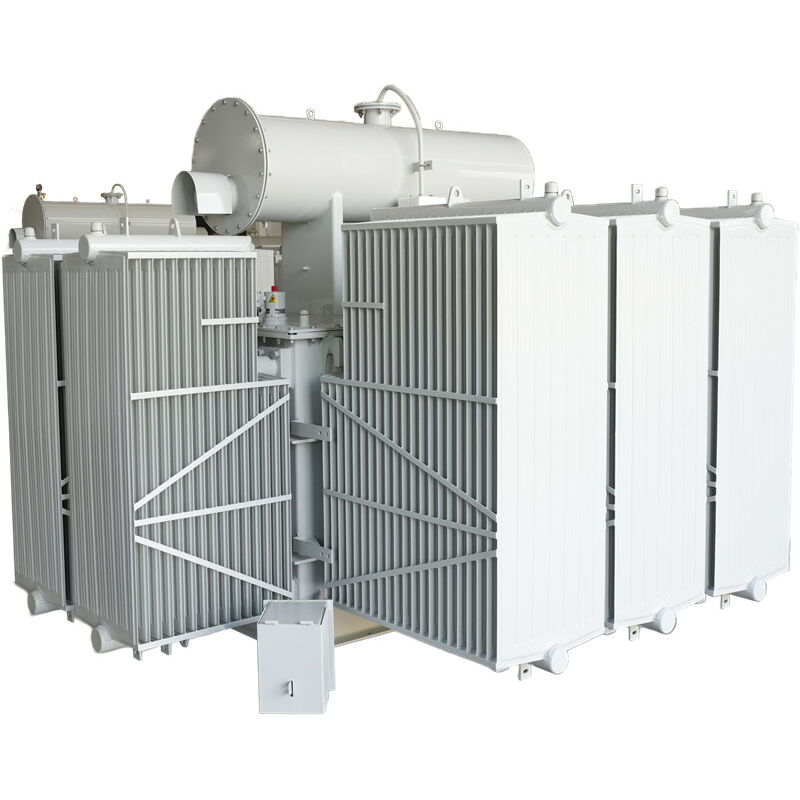
The purchase of substation transformers in power grid construction is actually critical choice. The transformer is the most important component in a substation and when it fails, it can lead to outages, safety issues and expensive project delays. Ryan Electric, a joint venture with Eaton (USA), offers utilities, EPC contractors and industrial clients customized, reliable, and efficient transformer solutions in over 80 countries. Based on that global project experience, this article describes the procurement process and “musts” for the buyer before giving the contract to the vendor.
Technical Specification Review: Getting the Basics Right
The procurement process has commenced before the commercial negotiation; it starts with the technical specification. Most contract conflicts are caused by a poorly defined specification. For substation transformers, the specification should clearly definite rated power (Ryan Electric makes up to 10 MVA), voltage class (3.3 kV to 110/132 kV), impedance, cooling class, tap range, insulation level, and loss guarantees.
In addition, buyers should ensure specification addresses their specific application needs, such as high overload and harmonic tolerance, low loss and high reliability for data center and utility applications, and robust performance in renewable energy and energy storage projects. Ryan Electric offers more than 20 product series such as dry-type, VPI, oil-immersed, pad-mounted, power and distribution transformers, compact substation transformers and various substations. Customization is most beneficial in the specification stage as our R&D team designs tailor made units to meet specific technical, environmental and operational requirements. Ambiguity in this context, for example, the use of two different clauses from IEEE, IEC or GB, and failure to indicate precedence, should be addressed prior to the signing of a contract.
Type Tests, Factory Acceptance, and Delivery Milestones
The terms of the contract should clearly spell out what routine, type and special tests are required, by whom, and what documentation is required to substantiate compliance. Ryan Electric has three test bays for cast resin dry-type transformers, liquid-immersed power transformers and substations, along with two test laboratories (35 kV / 110 kV) and a CNAS-accredited test laboratory. Each unit is closely monitored and tested from the raw material stage through to delivery, to meet the standards of IEEE, UL, CE, ASTA and DEKRA.
Factory acceptance testing (FAT) should actually be linked to contract payment terms. Define the rights of the witnesses, test procedures, and tolerances for the temperature rise, impulse and partial discharge. Equally significant are delivery milestones and conditions: Incoterms, port of loading, sea-delivery packing, shock and humidity safety, and site acceptance circumstances. Ambiguous terms in delivery specifications such as "shipment within X weeks" can actually cause conflicts. Define ex-works dates, documentation handover, test reports, certifications, drawings and remedies in case of delay with a precision.
Spare Parts, Warranty, and Common Tender Gaps
The specification of spare parts and warranty is often not complete in tender documents. Transformer outage without available replacement can last for months, so contracts should identify recommended spares, price validity periods, and delivery lead times. Warranty should specify scope, time, start date (ex-works, arrival or energization), exclusions and response time for site service.
Typical omissions in tender submissions include, valid type test certificate for the design offered (not a similar design), documentation of CNAS-accredited laboratory testing, D-U-N-S registration and UL/ASTA/CSA/CE/DEKRA, verified references in comparable voltage classes, and full loss and impedance guarantees. Buyers should not accept them as qualifying items after award, but rather require that they be included as part of the qualification process. The depth of documentation and project discipline, which serious tenders require, are evident in Ryan Electric's proven global experience and trustworthiness among clients like Microsoft and State Grid, who have relied on company in more than 50 countries.
From Contract Award to Long-Term Performance
While a good contract will help both sides, it can't replace a supplier with solid engineering experience. Ryan Electric delivers consistent performance and precision engineering through fully automated production, dual high-voltage test laboratories, and CNAS approved testing lab. Whether it's renewable energy, energy storage, utilities or larger-scale infrastructure, our transformers are designed to match all your needs and go beyond the industry.
Looking to accelerate your project? Speak to our technical team who will review your specification, discuss a bespoke transformer solution and even provide a tailored quotation for your substation project. Turn your transformer procurement needs into assured, certified, and world-proven assets with Ryan Electric.