
 EN
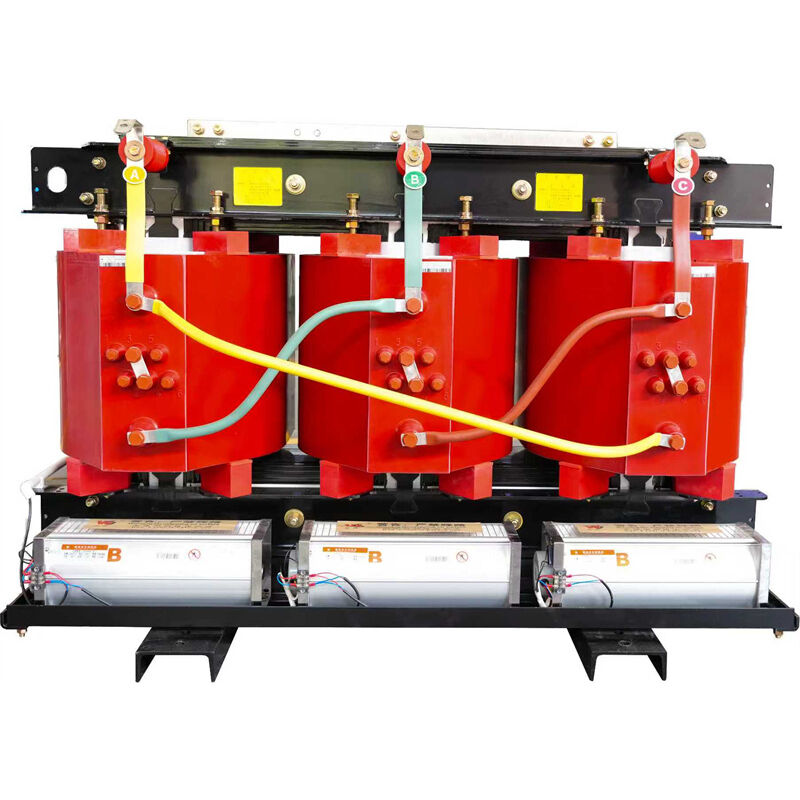
The failure of a heavy duty substation transformer also comes at a cost beyond repair hours. It is quantified in dark data centers, dead production lines and lost delivery windows. Ryan Electric, a joint venture with Eaton (USA), manufactures dry-type, VPI, oil-immersed, pad-mounted, power, and distribution transformers up to 10 MVA and 132 kV. We know that most catastrophic failures start as small, ignored signals. This article breaks down the most common transformer failure causes by failure mode, including early warning signs, field actions, and when to stop and shut down.
Winding Insulation Aging: The Silent Degradation
Over the years, cellulose and epoxy insulation are gradually degraded by thermal, electrical and mechanical stresses. Partial discharge activity is also a precursor to damage in cast resin and VPI transformers.
Early signal: Slight discoloration of ventilation ducts, unusual odor or increasing PD reading. In oil test / DGA, furan analysis of oil indicates an increase in 2-furfuraldehyde in oil-immersed units.
Field action: Offline PD measurement, clean cooling ducts, check load profile with nameplate. Minimize loading for hotspot temperatures above limits.
When to stop: If the PD is repeatedly high (in excess of 500 pC), or if DGA detects acetylene (C₂H₂) at a concentration higher than 5 ppm, remove the unit from service immediately. Short circuits can occur between the turns if the power is left running.
Tap Changer Failures: Mechanical Wear and Contact Erosion
Many substation transformers have no moving parts except for on-load tap changers (OLTC). The major causes of transformer failure are contact erosion, carbon buildup, and motor drive misalignment.
Early signal: Unusual noise during tap changing, unequal voltage regulation or increasing differential temperature between OLTC and main tank.
Field action: In the field, check for carbon particles in the oil, motor current and timing, and inspect the contacts of the diverter switch during scheduled maintenance.
When to stop: If the OLTC fails to complete a tap change, or the Buchholz relay trips during tap operation, lock the tap changer and transfer load. Avoid further electrical activity.
Bushing Moisture Ingress: The Hidden Path to Flashover
Moisture can get inside the porcelain or composite bushings through compromised gaskets or cracks. Wet conditions cause a drop in flashover voltage and increase internal corrosion.
Early signal: Unusual radio interference voltage (RIV), visible oil condensation in oil sight glass or rising bushing capacitance and tan delta values.
Field action: Conduct infrared thermography, clean bushings, change gaskets, and do an oil test and DGA on the bushing oil if applicable.
When to stop: If tan delta is greater than 1% at 20°C or hydrogen content is greater than 100 ppm in the DGA then take the bushing out of service. The tank of the transformer can be destroyed by a flashover under load.
Oil Degradation and Dissolved Gas Analysis
Mineral oil can undergo oxidation, arcing and overheating processes. Dissolved gas analysis (DGA) is the most powerful diagnostic tool for oil-immersed power and distribution transformers.
Early signal: Key gas ratios change, increase in methane (CH₄) is a thermal fault signal, increase in ethylene (C₂H₄) is a hot metal signal, increase in acetylene (C₂H₂) is an arcing signal.
Field action: If any gas is above IEEE limits, DGA should be performed monthly. Test and check nitrogen blanket pressure; filter oil if any moisture above 20 ppm.
When to stop: Turn off power to the facility if Buchholz relay trips or DGA indicates C₂H₂ is above 10 ppm and hydrogen is above 500 ppm. This indicates a pre-failure condition in oil-immersed transformers.
Overload Cumulative Thermal Aging: The Slow Killer
Insulation life is cut in half for each 6°C increase in temperature above the rated hotspot temperature. For most of these applications, the transformers are subjected to a cyclic overload, such as in data centers, renewable energy storage and industrial drives.
Early signal: Top oil temperature rising at a steady load, increased cooling fan usage or DGA indicating the level of ethane (C₂H₆) is increasing steadily.
Field action: Use dynamic loading limits, measure cooling system performance, and record the hours of overloading. Use the actual thermal history, not calendar time to set transformer overhaul interval.
Stop loading: Reduce loading when top oil temperature reaches 105°C (oil-immersed) or 155°C (cast resin). When the DGA is showing signs of quick gas production (such as doubling the total dissolved gas in 24 hours), remove the transformer from service and make an internal inspection.
Ryan Electric: Your Partner in Failure Prevention
Ryan Electric produces dry-type, VPI, oil-immersed, pad-mounted, power, distribution and compact transformers up to 10 MVA, 132 kV. Each transformer is tested for routine, type and special tests with our CNAS-accredited dual 35 kV/110 kV test labs, IEEE, UL, CE, ASTA, and DEKRA certifications, with three dedicated test bays for cast resin, liquid-immersed, substation units. Whether you're in Microsoft data centers or State Grid project, we've got the reliability you can trust in more than 50 countries.
Avoid delay in response to a Buchholz relay trip. Speak to our technical experts today to receive a bespoke maintenance plan, interpretation support for the DGA or a transformer solution that suits both your load and the environmental conditions. Get your custom quote today and stay connected with your critical infrastructure.
Table of Contents
- Winding Insulation Aging: The Silent Degradation
- Tap Changer Failures: Mechanical Wear and Contact Erosion
- Bushing Moisture Ingress: The Hidden Path to Flashover
- Oil Degradation and Dissolved Gas Analysis
- Overload Cumulative Thermal Aging: The Slow Killer
- Ryan Electric: Your Partner in Failure Prevention