I was standing at Booth B12a yesterday at the CTICC in Cape Town, mid-conversation with a lead engineer from a mining firm in the Northern Cape. He looked at our dry type transformers display, sighed, and said something that stuck with me: "The datasheet says it can handle the load, but the African sun says otherwise. My current units are tripping twice a week."
He isn't alone. One thing you learn quickly at a massive event like Enlit Africa 2026 is that there’s a massive gap between "standard specs" and "African reality." In many parts of the world, a transformer is a set-and-forget asset. But here? It’s a battle against heat, dust, and an unstable grid that punishes anything built to the bare minimum.
As a transformer manufacturer China with over 17 years in the game, we’ve realized that being the "cheapest" is actually the most expensive way to run a project in Africa. If you’re looking at African power infrastructure, here are the three hard lessons we’ve seen play out on the ground.

Let’s talk about temperature rise. Most dry type transformers are rated for a standard 80°C or 115°C rise. On paper, that looks fine. But when you put that unit in a poorly ventilated substation in a region where the ambient temperature hits 45°C regularly, that margin disappears fast.
Here’s the thing most buyers miss: it’s not just about the peak temperature; it’s about the thermal endurance of the insulation. When we design units for the South African or Middle Eastern markets, we don’t just hit the IEC standards. We over-engineer the cooling ducts. Why? Because a transformer that runs 10 degrees cooler lasts twice as long.
During a technical session yesterday, the topic of oil-immersed transformers came up. A contractor from Namibia was complaining about tank leaks. In his case, it wasn't a manufacturing defect in the weld; it was salt-air corrosion and fine desert dust eating through the paint.
This is where the "rugged" part of rugged design comes in. At Ryan Electric, we’ve taken the coating standards from our 2023 joint venture with Eaton and applied them across the board. We’re talking about multi-stage surface treatments and specialized C5-M rated paints. It’s not just about looking good; it’s about creating a barrier that can handle the humidity of KwaZulu-Natal or the sandstorms of the Sahara.
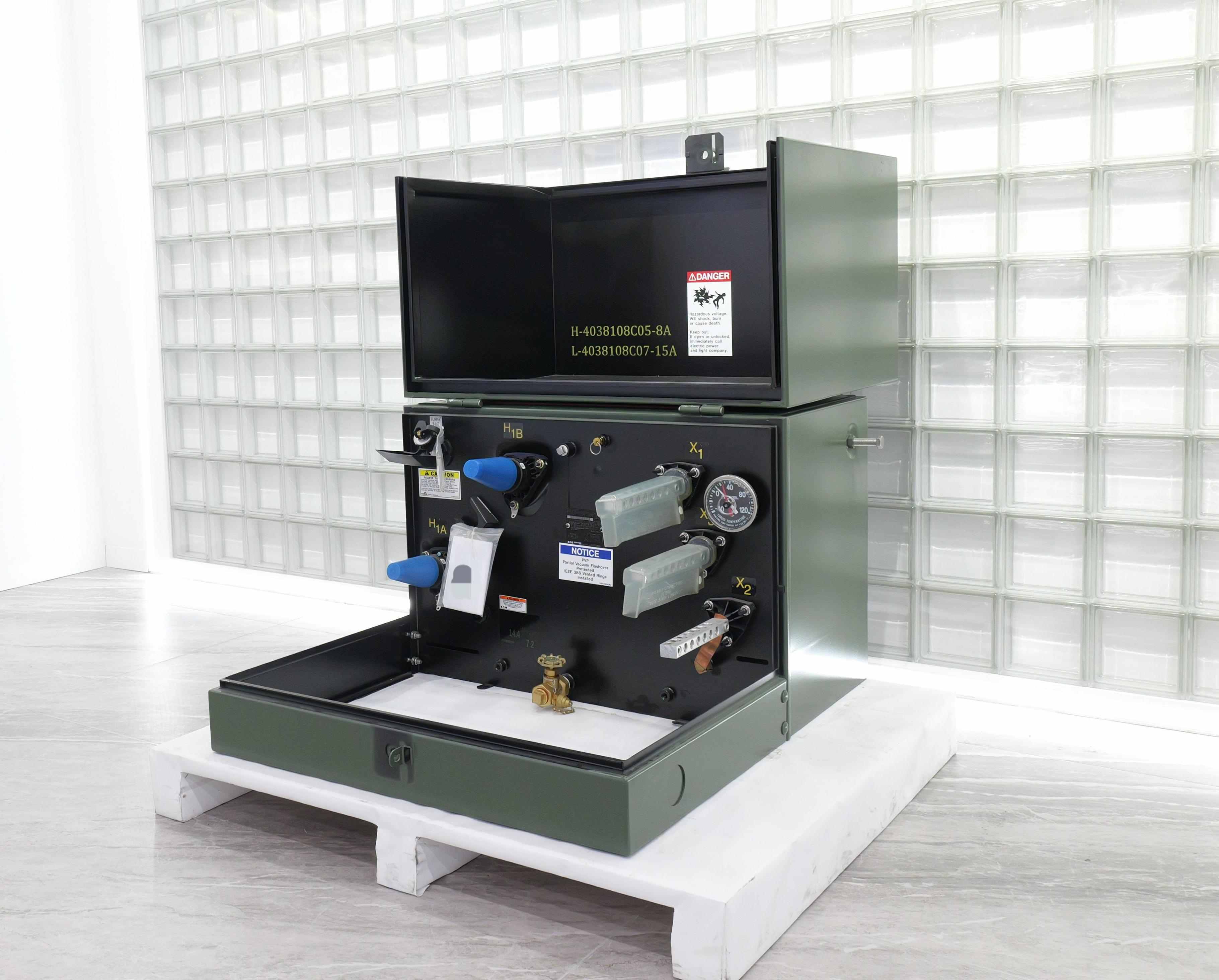
There’s been a lot of buzz about the pad-mounted transformer for renewable energy projects lately. They are compact, convenient, and perfect for solar farms. But here’s the kicker: an uncertified unit is a ticking time bomb on a fragile grid.
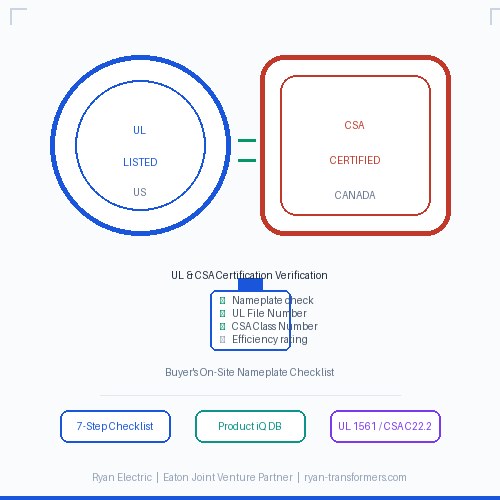
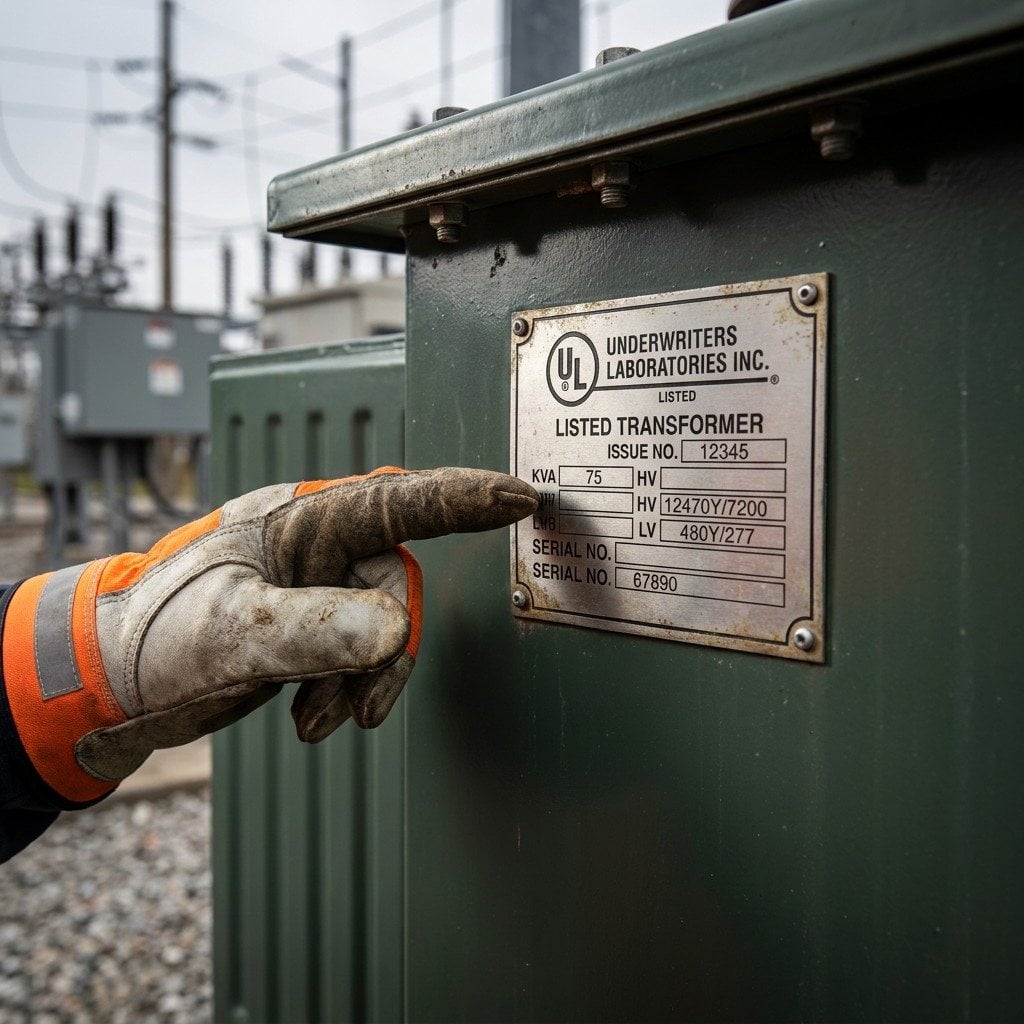
The most common question we get at Enlit Africa 2026 is: "How do I know this won't fail during a surge?" Our answer is always the same: Look at the nameplate. If it doesn't have a recognized certification and a tracebale test report from a lab like DEKRA or CNAS, you are gambling with your local grid stability.
Let’s be honest—China has thousands of transformer factories. But very few of them actually "listen" to the field. At our 120,000㎡ facility, we don't just build to a drawing. We build to a feedback loop. When our engineers come to events like this, they are here to see the dust, feel the heat, and hear the stories of failure. We aren't just a transformer manufacturer China; we are an engineering partner.
If there’s one takeaway from this year’s exhibition, it’s that the African energy transition is moving too fast for fragile equipment. Whether you are installing dry type transformers for a new data center or upgrading a substation with oil-immersed transformers, the goal is the same: uptime.
About the Author: The Ryan Electric Engineering Team has been designing and manufacturing power solutions since 2007. As an Eaton joint venture partner, we bring global standards to every project.

 EN
EN