Why Manufacturing Excellence Matters: A Closer Look at Ryan Electric’s 6S Approach
When people talk about transformer manufacturing, they usually focus on capacity, machines, or certifications. Those things matter, of course. But in day-to-day production, what really makes a difference is much less visible.
At Jiangsu Ryan Electric, a lot of effort actually goes into how the factory runs internally—how materials are placed, how workstations are kept, how teams follow routines. It may sound basic, but it’s where consistency starts.
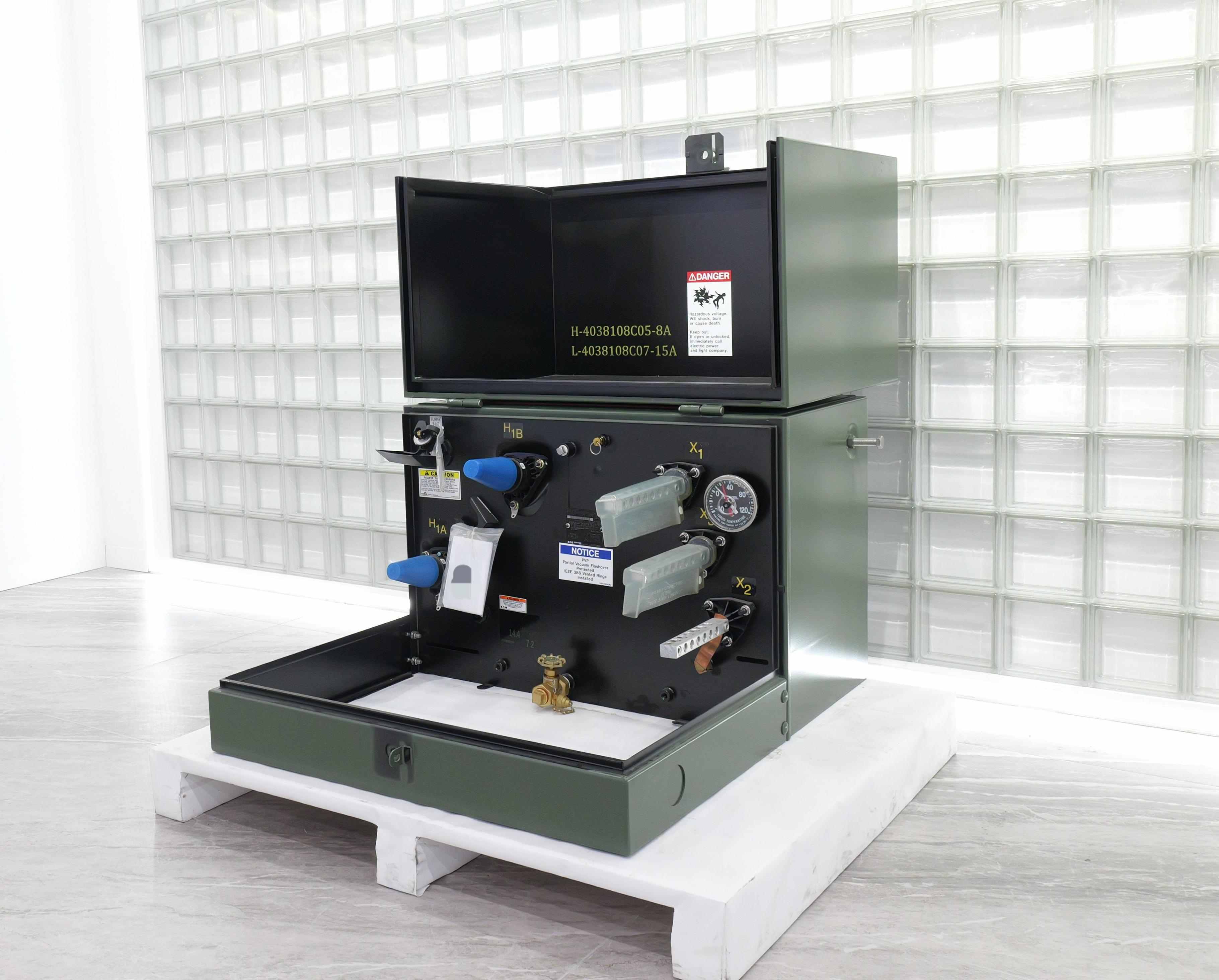
The company has been producing dry-type and oil-immersed transformers, as well as pad-mounted substations, since 2007. Over the years, the scale has expanded to a 23,000 m² facility with hundreds of testing devices. Still, hardware alone doesn’t explain stable quality output.
That’s where the 6S approach comes in—not as a slogan, but more like a daily operating habit.
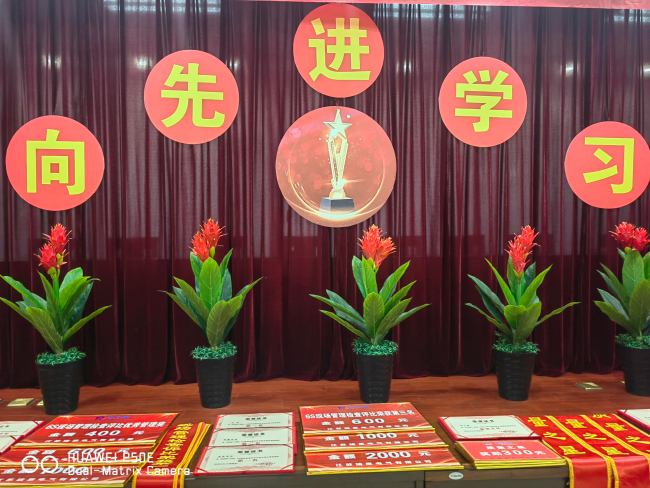
Instead of waiting until final inspection to catch problems, the idea is to reduce variables early.
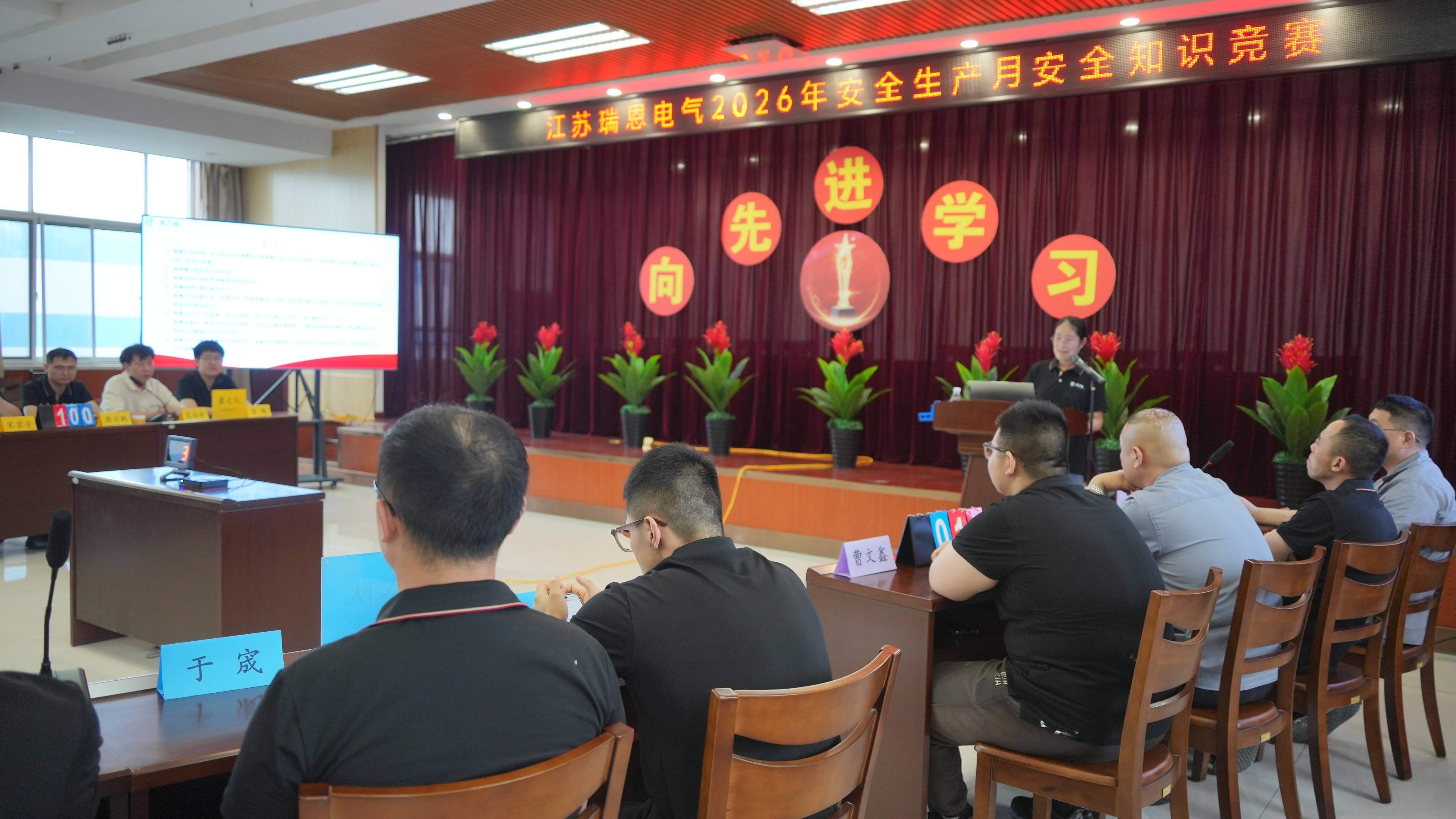
There are regular checks—weekly, monthly, quarterly. The Q1 2026 internal review, for example, didn’t just look at results, but at small details:
Sometimes it’s about whether tools are returned to the same place.
Sometimes it’s about whether a workspace stays clean enough for coil production.
Sometimes it’s simply whether processes are followed the same way every time.
Interestingly, in the latest evaluation, the coil workshop and the pad-mounted transformer workshop performed the most consistently. Not because they had better equipment, but because execution was tighter.
From the outside, 6S can look like internal management. But it does show up in the product.
If the production environment is controlled, winding tends to be more stable. Assembly errors are less frequent. Small deviations don’t accumulate into bigger problems.
That usually leads to transformers with more predictable performance—less variation in losses, better behavior under short-circuit conditions, and fewer issues over time.
It also affects delivery. When the process is smoother, delays are less likely. Not eliminated, but reduced.
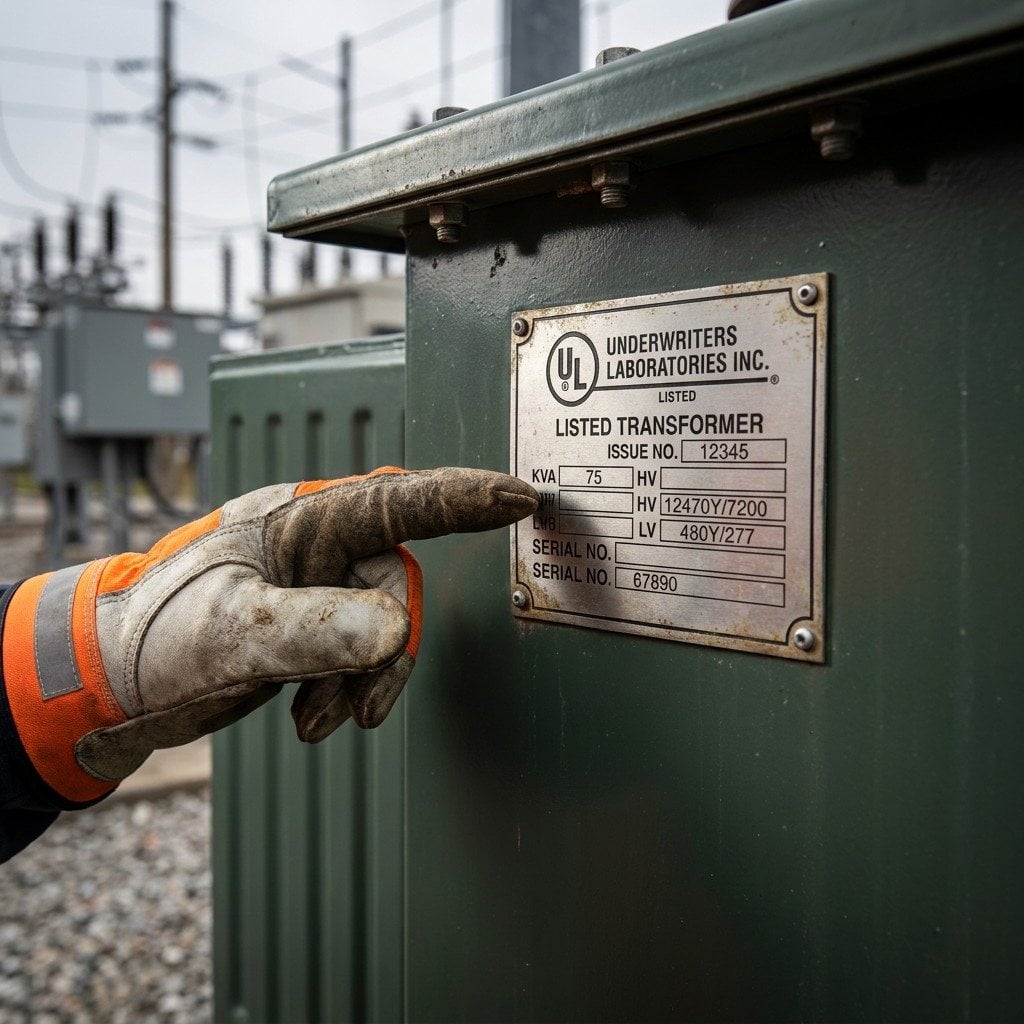
Ryan Electric operates under ISO 9001, ISO 14001, and ISO 45001 systems. Products are tested with standards such as UL, CE, ASTA, and DEKRA.
These are necessary, especially for international projects. But in practice, certifications alone don’t guarantee consistency. The way production is managed every day plays just as big a role.
Whether the application is a city distribution project or a renewable energy installation, the expectation is usually the same: stable performance, reliable delivery, and minimal issues after installation.
From that perspective, manufacturing discipline is not really an “extra advantage.” It’s more like a baseline requirement—just not every factory treats it that way.

 EN
EN