
 EN
EN
Transformers that modify the power distribution are also required elements of the electrical grid, but not all of them perform the same task. The differentiating factor between utility (grid) and industrial distribution transformers is critical to the achievement of a project by the professionals specifying equipment. Their design priorities, working conditions, and performance conditions are very different despite the fact that both of them reduce the final use voltage. This guide separates these differences in such a way that you can be capable of making a prudent decision.
Most Important Function and Location
Their position on the chain of power is the only basic difference. The utility transformers that electrical utilities use are the final step-down connection which is used in a public transmission and distribution network. They are mostly used to transform the higher distribution voltages (e.g., 33kV or 11kV) into the end-use voltage (e.g., 400 V) across a very wide geographical region so as to cover as many general residential, commercial, and light industrial customers as possible.
Industrial transformers are on the other hand located on the personal grounds of a plant like a factory, a set of data center or a large plant. The largest energy source in the facility that is typically connected to the large point of power is that which takes the energy of the medium-voltage utility grid and transforms it to the voltages that can be used by heavy machinery, process equipment, internal plant distribution, etc.
Voltage, Capacity and Load Profile
These differentiated functions offer dissimilar technical specifications:
Utility Transformers: Utility transformers are applied in most instances with heterogeneous and variable loads that consist of many consumers. The capacities are commonly standardized and there are extensive numbers of them. The continuity of the services at a large scale is also geared towards their reliability.
Industrial Transformers: they are intended to be applied with high-density loads of one facility. They also are more inclined to special consideration such as harmonics since the frequency drivers are variable, high inrush currents where large motors are utilized, or even necessary to be smooth on the 24/7 operations, such as the data centers. Their construction will be compelled to take these specialised electrical conditions into consideration in order to warrant integrity and productivity of the facility.
Engineering, Quality and Sustainability
Critical design decisions will depend on the operation environment and especially the aspect of cooling and insulation.
Utility Transformers: they are mainly filled with oil to enable them cool down saving cost as well as are built to work outdoors.
Industrial Transformers: Dry or cast-resin type in technology is normally needed especially when they are mounted within. This is required in sites where the fire security should be of top priority like in high valuables data centre, hospital or even on the manufacturing facility. This fact that Ryan Electric was the first firm to introduce China first 110kV class three phase cast dry-type epoxy resin transformer highlights the high-technology and safety-focused engineering investments that were to be incurred in order to meet the requirements of the new industry.
Standards and Requirements of Reliability
The two should be on the higher levels of safety and their attention of reliability differs. The utility transformers are concerned with the resiliency of the network in a large scale. The industries are however, not left out of the basic operations of a facility as the transformers. Failure of them can result in disastrous production downtimes, information or incidents losses. Thus they are typically designed to more rigid, customised requirements and with robust design features (i. e. higher temperature range, higher short-circuit current limit, or busbar connection bushings of special shape) to be in continuous use to the particular industrial process.
Need a supplier for both? Discuss your project.
Choosing the Right Partner
Understanding this division is key to selecting the right transformer. More importantly, it highlights the need for a supplier who masters both domains.These are the division which when well understood in practice determine the one to employ in determining the right transformer. The needs of an industrial plant are rather different as compared to the needs of the public grid. By joining hands with a manufacturer who has been found successful in the two aspects, you will be provided with a product, which has been specifically made to meet your challenge.
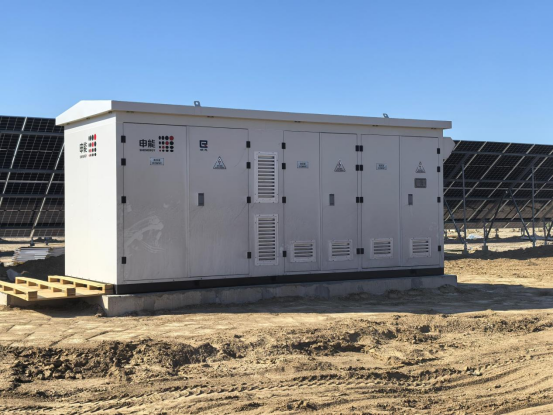
Having a history of supplying power to large-scale infrastructure projects grounded on utility scale solar farms, such as the Xinjiang 2GW Photovoltaic Project and necessary industry projects, Ryan Electric can also offer the experience of engineering and quality production needed by both sectors. We have 80 years of experience that we can offer the world impression to the appropriate transformer technology to your specific application and make it efficient, safe, and reliable.