
 EN
EN
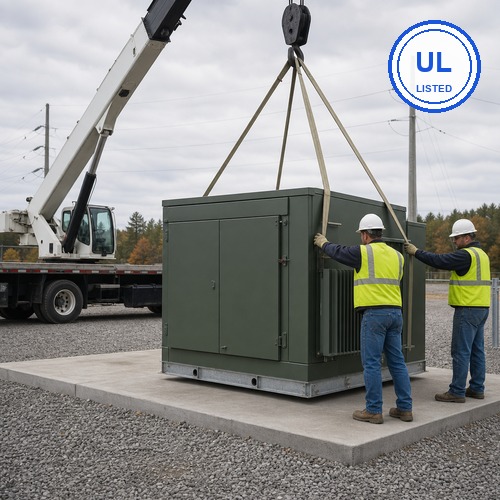
Shimoliy Amerikada poydevor ustida transformator o'rnatish: Biz har bir shartnoma tuzuvchi bilan yuk avtomobili kelishidan oldin nima aytamiz
Uch hafta avval Oklahomadagi bir shartnoma tuzuvchi bizga may oyida yetkazib berilgan 2500 kVA li qurilma haqida qo'ng'iroq qildi. Transformator olti hafta davomida poydevorida turibdi va elektr tarmog'i uni ishga tushirmayapti. Nima uchun? Hech kim sertifikat raqamini topa olmadi. U taklifnomada, yuk yetkazib berish hujjatlarida va nomli taxtachada bosilgan edi — lekin maydon jamoasi hujjatlarni qutiga solib qo'ygan va ularni hech qachon ko'rmagan. Shu qo'ng'iroq sababli men buni yozmoqchiman. Biz yetkazib beramiz yer ustiga o'rnatilgan transformatorlar aQSH va Kanadaning deyarli barcha hududlariga har oy deyarli yetkazib beramiz va maydonda ko'rinadigan muammolar deyarli hech qachon elektrik muammolari emas. Ular hujjatlar, yerlanganlik va test natijalarining yetishmasligi bilan bog'liq. Bu — avtomashina kelishidan oldin biz har bir shartnoma tuzuvchiga aytadigan narsa.
Sertifikat nompanelda bo'lishi kerak, qutilikda emas
Har bir yuqorida o'rnatilgan transformator shimoliy Amerika uchun ishlab chiqarilgan mahsulotlar yuklash maydonchasiga yetib borishdan oldin bir xil darvozadan o'tadi: sertifikatni loyiha ko'rib chiqish paytida, idish bo'yoq qilingandan keyin va yakuniy tekshiruvda uch marta tekshiriladi. Kanada uchun uskuna CSA C88 (yoki quruq turdagi uchun C22.2 No. 47) standartlariga mos keladi; AQSH uchun esa UL 1562. Fayl raqami yopishqoq etiketka emas, balki nompanelga o'yilgan — bu Qo'shma Shtatlarning Kansas shtatida qishda pechlanib ketishi mumkin bo'lgan narsa emas; shuningdek, sertifikat PDF fayli past kuchlanishli bo'lim ichidagi suvga chidamli qopqoqqa sig'dirilgan. CSA sertifikatlangan transformator nima uchun o'yilgan? Chunki foydalanuvchi muhandisi padmountga yaqinlashganda, u avvalo nompanelni tekshiradi. Keyin, agar u ehtiyotkor bo'lsa, u
Faylni UL ro'yxatiga kiritilgan transformator uL.com Saytidan qidiradi. shu hammasi. Besh daqiqa — va butun tasdiqlash shu ikkita qadamga bog'liq. Shu sababli biz birlamchi o'rnatish kitidagi birinchi joyga nompanelning rasmini qo'yishdan oldin, uskuna zavoddan chiqishidan avval uning rasmini olamiz. Korxona ijrochilari aytadiki, shu yagona amaliyot ularni ob'ektga kelganda eng ko'p vaqtni tejashga yordam beradi.
Transformatorni poydevor ustiga o'rnatish poydevordan va tasma o'rtasidagi o'rinlardan boshlanadi
Buning boshlanishi betondan kelib chiqadi, lekin ishchilar unutadigan qismi beton emas. 2500 kVA li qurilma to'liq minerol moy bilan to'ldirilganda 4082–5443 kg og'irlikka ega bo'ladi, shu sababli poydevor yukni qo'llab-quvvatlashi kerak. Eng ko'p uchraydigan xato — kabel tasmasi. Birinchi darajali (12,47 kV yoki 13,8 kV) va ikkinchi darajali (480Y/277 V) ulanishlar hammasi pastdan amalga oshiriladi; agar beton quyilishidan oldin trubali tizimning joylashuvi aniq belgilanmagan bo'lsa, qurilish maydonida betonni qirqishga majbur bo'linadi.
Har yili bu holatni kuzatamiz. Poydevor o'zida oddiy: o'rnatish nuqtalarida 6,35 mm gacha tekislikda bo'lishi va korpusdan tashqari suvni chiqarish uchun asosda suv o'tkazuvchanlik bo'lishi kerak. 3R korpusining ostida suv to'planishi har doim birinchi tekshiruvda muvaffaqiyatsizlikka sabab bo'ladi va uni aniqlash uchun maxsus sinov uskunalari kerak emas.
Ko'tarish tomonida ikkita qoida muhim. Spreader bar simlarini vertikalga nisbatan 30 gradus ichida saqlang — luglar birlikning og'irlik markaziga mos ravishda joylashtirilgan va tank devoriga keskinroq burchakda tortish o'ralgan qismlarni shakl o'zgartirishiga yoki gasketli ulanishlarni siqishiga sabab bo'ladi. Shuningdek, birlikni sekin tushiring. Qattiq qo'yish tank ichidagi yadroni va spirallarni siljitib yuboradi, bunda tashqi qismi hali ham ajoyib ko'rinishda qoladi. Keyin o'rnatish teshigidan orqaga qarab angorlang, so'ngra eshikni tekshiring: u o'rtacha 180 gradusga aylana oladi (dead-front o'chirish uchun), va past kuchlanishli bo'lim kabel ulanish maydoniga qarab joylashgan bo'lishi kerak.
Zaminlash — bu inspektorlar avvalo qaramiz joyi
Zaminlash — bu maydonda eng ko'p xatolar sodir bo'ladigan joy va inspektorlar uni avvalo tekshiradi. Tank, neytral bushing va o'ralgan eshik barchasi stansiya zaminlash tarmog'iga ulanadi va loyiha quyidagilarga amal qilishi kerak IEEE Std 80 qadam va tegish kuchlanishi uchun. 12,47 kV tizimda foydalanuvchilar odatda potensial pasayish testi bilan 25 om yoki undan kam torb qilishni so'raydi. Lekin bu raqam avariya tokiga va tuproq qarshiligidan bog'liq, shuning uchun uni universal o'tkazish/yo'q qilish me'yori sifatida qabul qilmaslik kerak.
Foydalanuvchi brigadalardan o'zlashtirish lozim bo'lgan bir odat: har bir kabel uchini ulashdan oldin fazasi va kontur raqami bilan belgilash. Bu oddiy tuyuladi. Ha, shunday. Lekin tekshiruvchi ko'zi ostida 12 kV bo'limini qaytadan belgilash — yaxshi kechki vaqt emas, va bu shu sababli sodir bo'ladi: kimdir juma kuni soat 16:00 da shoshilgan. Ikkinchi tomonda siqish gilzalari, birinchi tomonda esa tizim kuchlanishiga mos keladigan yukni uzuvchi tirnoqlardan foydalaning. Avval elektr tok bilan quvvatlangan tirnoqlardan qayta foydalanmang — amaliyotda stress konusi bir martalik foydalanish uchun mo'ljallangan.
Besh raqam, bitta kunduz: Ob'ekt qabul qilish sinovi
Relay texnikasi yaqinlashishidan oldin, biz quruvchilardan beshta tekshiruvni o'tkazishni va ularni yozib olishni so'raymiz. Bu marafon emas. Bir kunlik ish: izolyatsiya qarshiligi, chulg'am qarshiligi, aylanishlar nisbati, yerlangan tarmoq qarshiligi va DOE samaradorlik toifasi. Bu — transformatorning ob'ekt bo'yicha qabul qilish sinovi biz har bir mijozga beradigan ketma-ketlik bo'lib, o'tish qiymatlari zavod sinov hisobotidan olindi:
|
Tekshirish |
Biz nimani qidiramiz |
|
Izolyatsiya qarshiligi, past kuchlanishli chulg'amda 1 kV |
20 °C da to'g'rilangan holda 100 MΩ dan yuqori |
|
Chulg'amning qarshiligi |
Zavod hisobotiga nisbatan 2% ichida |
|
Aylanishlar nisbati |
Nominal taxtakdagi qiymatdan 0.5% ichida |
|
Yerlangan tarmoq qarshiligi |
Foydalanuvchining potensial tushish maqsadiga mos keladi |
|
DOE samaradorlik toifasi |
Nominal va hisobotdagi ma'lumotlar mos keladi |
Ko'pchilik brigadalarning a'zolari bu raqamlarni uyquda ham aytib berishi mumkin. Kunlik ishning asosiy maqsadi — hujjatlarga kiritiladigan ma'lumotlarni yozib olish. Agar biror narsa yil o'tgandan keyin ishlamasa — va bu albatta sodir bo'ladi — birinchi savol doimiy ravishda: "Saytda o'tkazilgan sinov natijalari qanday edi?" bo'ladi. Raqamlar, sana va sinov o'tkazgan shaxsning ismi bo'lishi kerak.
DOE tekshiruvi haqida yana bir eslatma. Chegaralar AQSh Energetika vazirligi bilan belgilangan va 2029-yilgi muddat ko'rinishidan yaqinroq. 2028-yilda faollashtirilgan qurilma allaqachon keyingi samaradorlik toifasiga mos kelishi kerak, chunki ikki yildan keyin eski toifa o'rnatish uchun qonuniy emas bo'ladi. Hozirgi jadval energy.gov saytida joylashgan.
Agar Siz AQSH yoki Kanadada poydevor ustida o'rnatiladigan transformatorni o'rnatmoqchi bo'lsangiz, bizga poydevor sxemasini va maydon sharoitlarini yuboring. Biz yerlash va ulanish talablarini tekshirib chiqamiz va sertifikatlanish hujjati Sizning hududingiz talablariga mos kelishini tasdiqlaymiz. Texnik taklif bepul va 48 soat ichida taqdim etiladi.
Biz zavodda nimalar qilamiz va quruvchilar nimalarni so'raydi
Biz 2007-yildan beri taqsimot va kuch transformatorlarini yetkazib bermoqdamiz, va Eaton bilan hamkorlik qilishimiz dizayn tekshiruvlarimizni foydalanuvchi amaliyotiga moslashtirishga yordam beradi. Lekin ishlab chiqarish korxonasining qurilish bo‘yicha mutaxassislari eng ko‘p eslatadigan narsa — yetkazib berish to‘plami: bir UL ro'yxatiga kiritilgan transformator , fayl raqami nompanelda ko‘rsatilgan; bir CSA sertifikatlangan transformator kanadaga yetkaziladigan transformator uchun ro‘yxatga olish hujjatlari oddiy sinov hisoboti bilan bir xil suvga chidamli qopqoqda, germetik holda jo‘natiladi — yuklanmagan holatdagi yo‘qotish, yuklangan holatdagi yo‘qotish, impedans, nisbat, izolyatsiya qarshiligi — shuningdek, nompanelning fotosurat, poydevor o‘lchamlari va ulanishlar orasidagi masofa chizmalari.
O‘tgan yili Tinch okeani shimoli-g‘arbida joylashgan bir hamkorlik tashkiloti sakkizta 1000 kVA li transformator buyurtira olgan. Qurilish bo‘yicha mutaxassis barcha sakkizta poydevorni birorta ham RFI (Rasmiy so‘rov) bermasdan o‘rnatgan, chunki chizmalar birinchi transformator kelishidan oldin to‘plamda mavjud edi. Qirg‘oqbo‘yi ob’ektlari uchun biz shuningdek IEEE C57.12.28 qoplam tizimini uchinchi tomon tomonidan tekshirish orqali tasdiqlaymiz va yakuniy qoplam ustida 1000 soatlik tuzli chang testini o‘tkazishimiz mumkin. Bu laboratoriya vaqtining bir haftasini talab qiladi. Bunday test loyiha tugagandan keyingi tahlilda hech qachon o‘tkazilmagan.
Keyingi marta siz poydevor ustida o'rnatiladigan transformatorni o'rnatishni rejalashtirganda, imzolashdan oldin yetkazib beruvchidan uchta narsani so'rang: sertifikat fayli, oddiy sinov hisobi va poydevor chizmasi. Agar ular tergichlik qilsa, bu sizga biror narsa aytmoqda. Agar siz buni biznikisini xohlasangiz, quyida bog'lanish sahifasi havolasi keltirilgan — biz 48 soat ichida javob beramiz.
Mundarija
- Shimoliy Amerikada poydevor ustida transformator o'rnatish: Biz har bir shartnoma tuzuvchi bilan yuk avtomobili kelishidan oldin nima aytamiz
- Sertifikat nompanelda bo'lishi kerak, qutilikda emas
- Transformatorni poydevor ustiga o'rnatish poydevordan va tasma o'rtasidagi o'rinlardan boshlanadi
- Zaminlash — bu inspektorlar avvalo qaramiz joyi
- Besh raqam, bitta kunduz: Ob'ekt qabul qilish sinovi
- Biz zavodda nimalar qilamiz va quruvchilar nimalarni so'raydi